Category Archives: Uncategorized

Studying Star Systems

Jhereg by Steven Brust is an excellent fantasy novel that combines witchcraft, assassination, sorcery, fantastical creatures, crime, wit, and honor. More on this book later.   
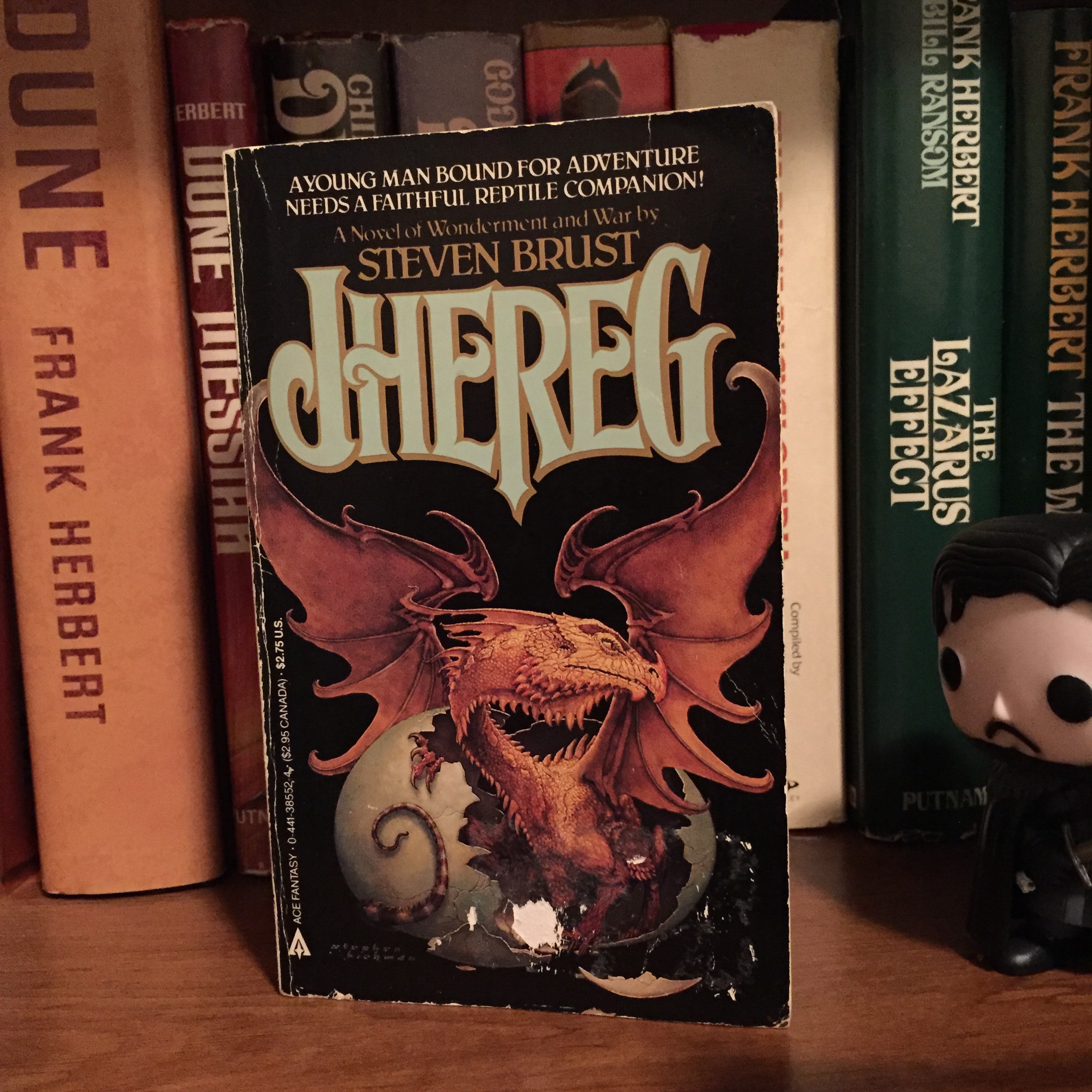
 

 A question was asked of me recently: “How do you decide how many stars you how a book on GoodReads/Amazon/Netgalley?” It is a great question without an easy answer for me. Take Jhereg for instance: this book is amazing. I remember reading it years and years ago and being captivated by the author’s style and the story he created. I recalled it being a very quick read as it is part of a series that consists of short books with fast paced intrigue and action. I could have given it a five star review for the memory, or a three star review as I wished it to be longer, or a four star review as I thought it was exceptional at the time, but how to fairly judge and review a book that you read years before these review sites were available? This can be perplexing for me. 


 I ended up giving Jhereg four stars although I sometimes feel I should bump it up to five but while I truly enjoy this story I love so many others more and love some other books by the same author more. That reasoning (combined with a few other thoughts) led me to mark this as four stars. When I reread the book last year I felt that was a fair assessment, and I mainly try to be fair. 
  
That said there are a few three and four star books I have given five stars to purely because of the emotional response I’ve had to the book. Or due to the fact that I’ve interacted with the author and want to give them a higher review as I admire what they’ve done and want to spread the word. To the author the difference between five star and for star reviews can mean even more than it does to the reviewers. This is another factor that can weigh on my mind as I try to give a fair review. 
  
This has also kept me from leaving one or two star reviews sometimes even when I felt the works deserved it. Sometimes you can judge a work unfairly just because you didn’t connect in the way you wanted to, so I try to consider that when I dislike a story. 
  
All this to say I don’t have a set in stone method of rating books other than I try to be fair and positive. I think I do reasonably well there. My primary goal in giving a review is not to give stars; it is to relay how a book made me feel, what I connected with, how the story became internalized. I try to personalize the reading experience and share that. Sometimes I might give a book an extra star or two but if I do then it is because something within that book connected with me and I was able to see what the author was attempting to accomplish. Or it’s been 20 years since I read the book and I’m trying my best to recollect it! 
  
 In closing: Reviews matter a lot to most authors. Please write reviews. Please spread the word about books you love. Please be nice. And please tell me how you work your star system! 

Our Weekly Dark Horse Presents Volume 13

Our Weekly Dark Horse Presents Vol 13

  
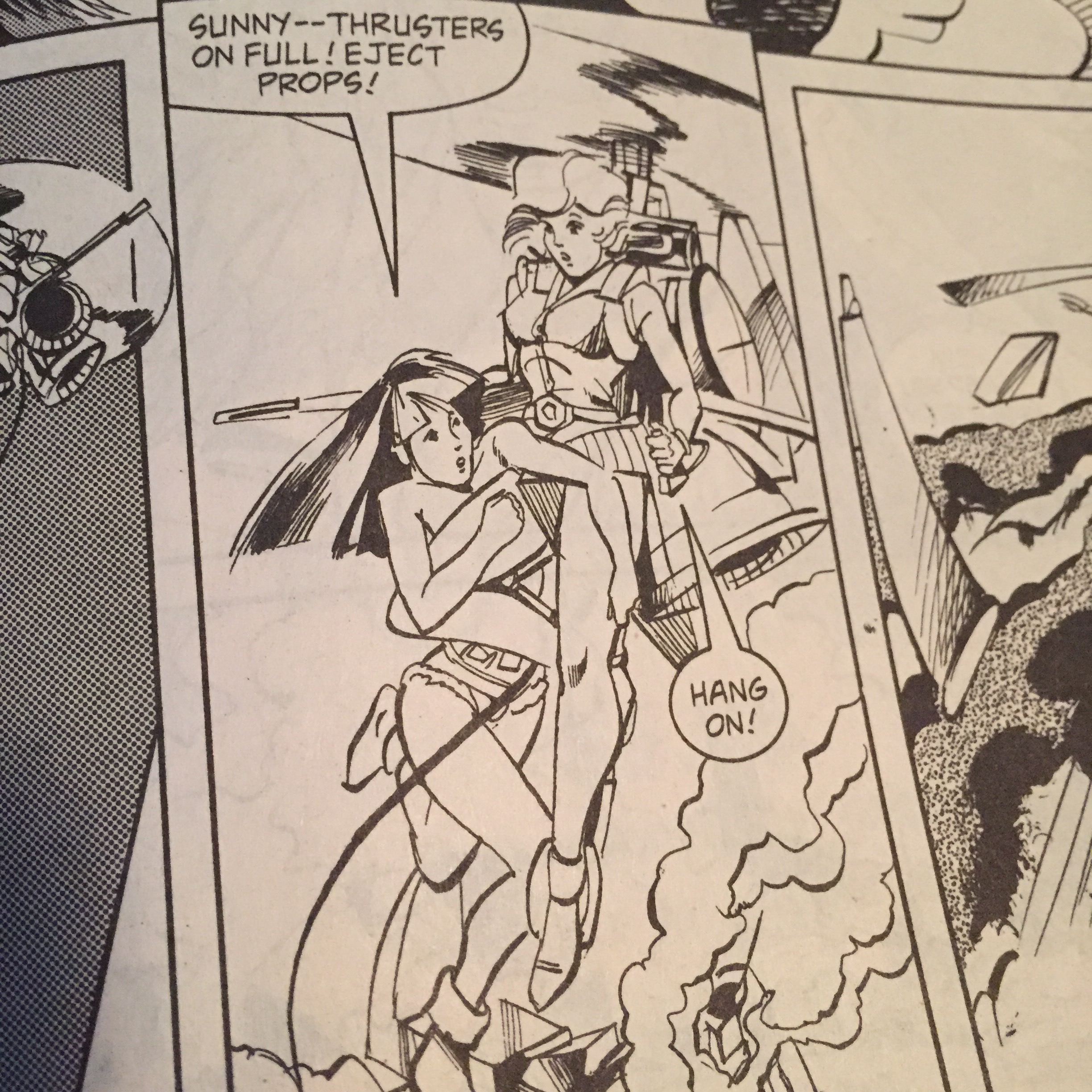
Well uhm… this volume was all like:

  
With another confusing chapter of this:

  
And then it took a turn like this:

  
Like I’ve said before not all volumes of a comic book anthology will be great… but I mean I at least always hope to enjoy one story included in each one. Oh well. Here’s hoping the next volume is better! 

A Magical Book Story

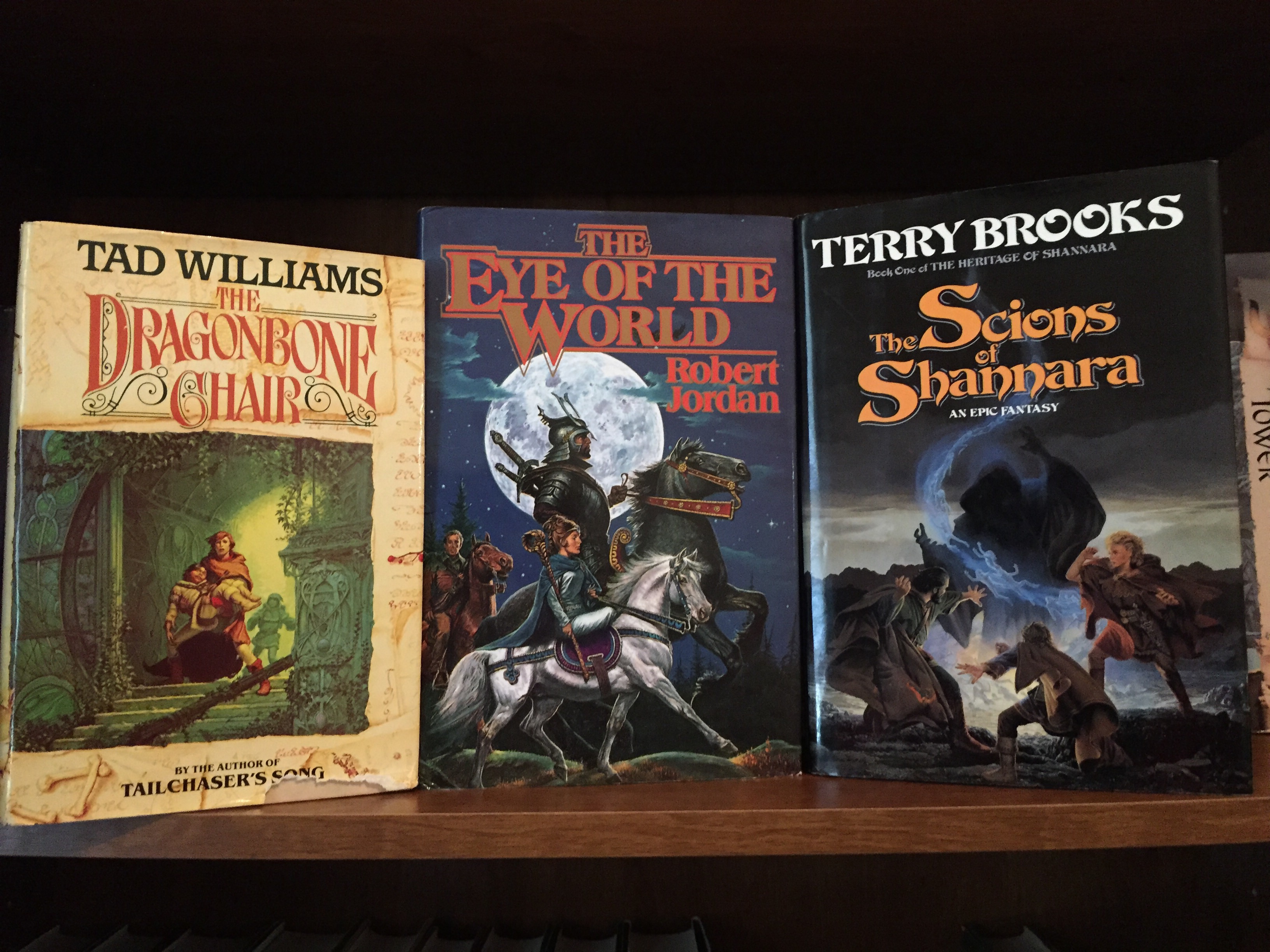
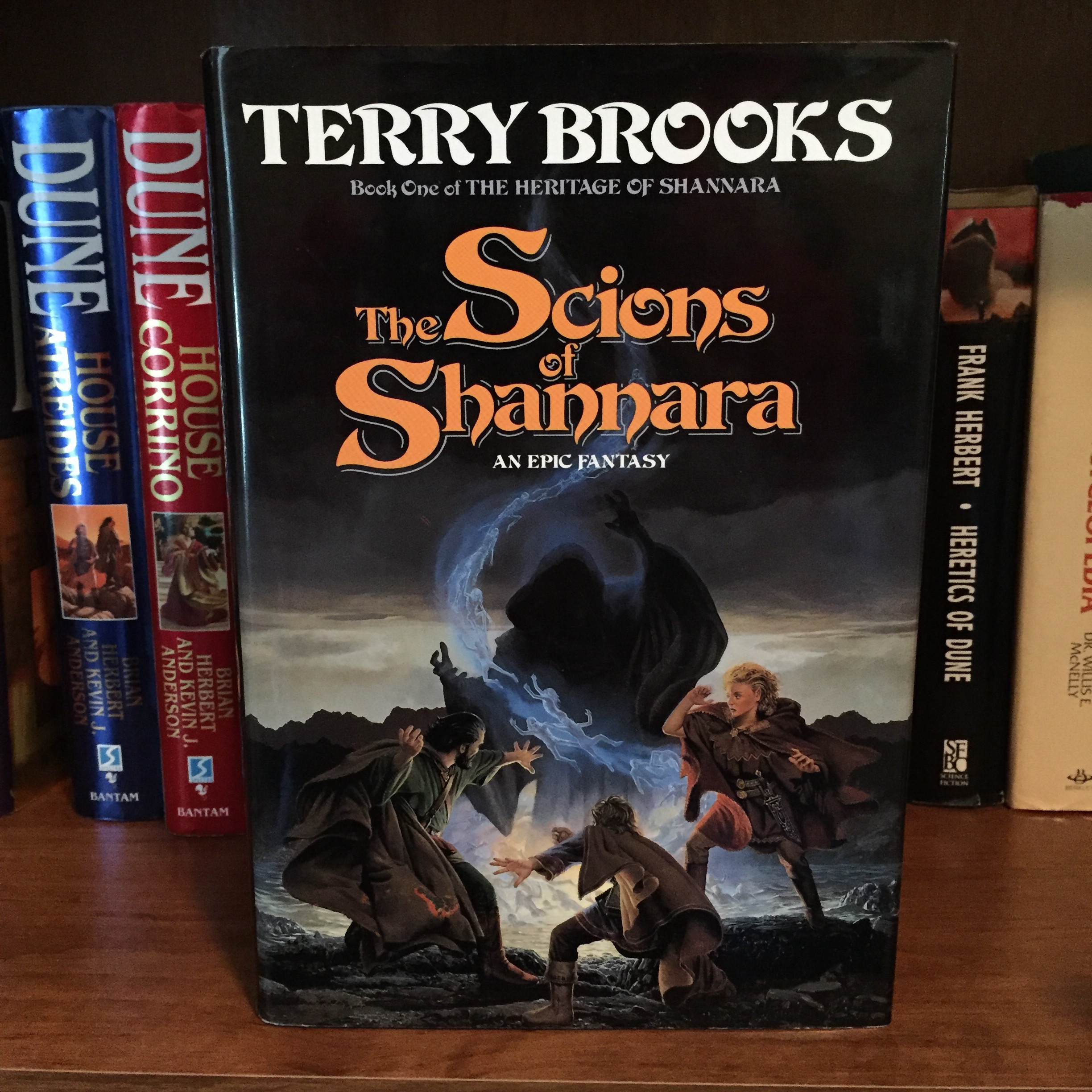
The Wheel Of Time, Memory Sorrow And Thorn, The Heritage Of Shannara: Three epic and beautiful fantasy series that I discovered all around the same time in my life.   
I still remember finding The Eye Of The World, The Dragonbone Chair, and The Scions Of Shannara at my local library back when I was around the same age as the main characters within the pages of these stories. It was at a time shortly after my family had moved across country to a new state, having to make new friends, and create a new life. If you were raised in a military family you know the drill. Moving happens! Starting over in a new place has its ups and downs but at the time I found these books I was experiencing a particularly down time. There are always plenty of reasons why someone will experience down times or up times or travel from one to another, but in the midst of all the reasons and everything that was happening I found these three books at my library and brought them home. 
I agonized over which to read first! Knowing that each started off a series and that I’d probably want to read all the available books in the series before starting the next. So I hemmed and hawed, I went back and forth trying to decide, attempting to somehow pick the exact right one to start first. Without fail each one I read drew me in completely. I ended up devouring them all and reading every book written at that time in each of the series and eventually completed all of them. You might be wondering which book I read first… but that’s not the important thing and that isn’t what this is about. 

  
You see the important thing is that in the midst of a personally difficult time I discovered these beautiful stories of flawed characters that were around my age that I found myself identifying with. I found solace in the pages of these stories and turned to them time and again. I read the available books and then read them again. And again. And again. Finding myself and losing myself within the books. In my thoughts I became a part of the stories. The books helped redirect my creativity and focus. The authors (Robert Jordan, Terry Brooks, and Tad Williams) will never know the impact their stories had upon my life. 

  
This is yet another reason we need stories. Lots of them. We need diversity in books. We need YA Books, SciFi, Mystery, History, Fantasy, Romance, Western, Children’s Books, Graphic Novels; we need them all and more. 

  
I found that I could identify with the characters in these stories. That helped me through a difficult time and has always stayed with me. With greater diversity in our stories even more of us will be able to easily identify with more characters and find the stories that can help us through our difficult times and encourage us during our best times. Stories are magical. I’m thankful to have found the magic I needed. I’m hopeful that you will find the magic you need too. 

  
And if you’re still wondering which book I read first well that’s a secret of my own that maybe one day I’ll tell… but not today.

A Sad Song For Ice And Fire (or why I am avoiding the GOT tv show)

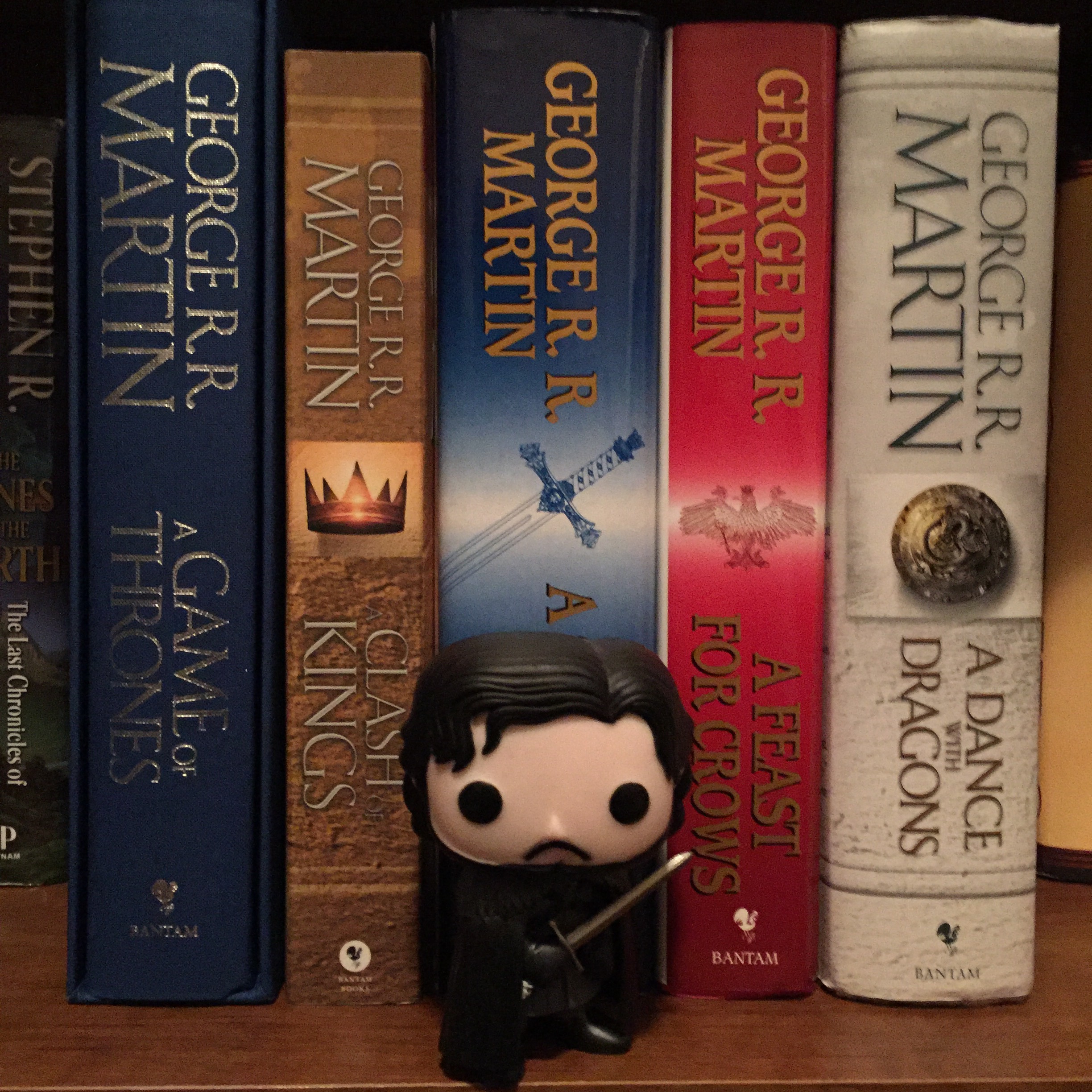
Around fifteen years ago I picked up a book named A Game Of Thrones by one George R R Martin. I read it and was amazed. I hunted down the next book A Clash Of Kings and was blown away. I quickly found A Storm Of Swords and thought that the series known as A Song Of Ice And Fire was the best work of literature currently being written.   
My love for the series compelled me to read all three books again, and to seek out others who loved this series as I did. I met one of my best friends as a result. I read all three books again so that I could seek out the hidden truths GRRM sprinkled throughout the books. I continued to be amazed by them. And I waited for the next book. 

  
And waited. And waited. And waited. After years of waiting the news came out that A Feast For Crows was being published! Joyously I read the first three books again in preparation for AFFC and I discussed all the possible plot lines and ideas of what the story might hold. I hoped the book would be as amazing as the first three. I worried it wouldn’t be. I picked it up and started to read. I was amazed all over again. When an author takes a character that you HATED and causes you to start loving that same character then you have witnessed true magic. Truly rare magic. 

  
I settled in to wait for the next book. Preparing myself for the wait. And waited. And waited. Then something strange happened. A tv show? Really? Ok, but the story isn’t finished yet! How can you air a tv show before the story is over? What if the books aren’t finished first? Would you let this tv show spoil the books? What if the actors are different from what I picture? What if the directors mess up the story? How will you convey the depth of this series? Why would GRRM allow this to happen? Yet he did. And the show was very successful. A lot of people loved it. The audience grew. 

  
Meanwhile they announced A Dance With Dragons was about to be released. I picked up A Game Of Thrones and read through the whole series again. I read ADWD. I discussed it with my friends. I enjoyed it. Yet I realized something depressing. Everyone really wanted to talk about the tv show. About the actors and if they were doing a good job. Don’t you love the sets? Aren’t the costumes amazing? Did you see what they did on the tv show? 
I stopped watching the tv show after the first season. Not because it was bad. It was fine. I quit watching it for two reasons. First: I didn’t want someone else’s interpretation of the series or characters coloring my concepts and views of the series. Secondly: I didn’t want to get attached to a tv show that might bypass the books. 

  
The tv show is bypassing the books. This is awful to me as I want to enjoy the books as GRRM writes them. It means I have to avoid potential spoilers about this show. t means I can’t discuss this series with my friends, because even well meaning unintentional things they’d want to say about the show will frustrate me as it points to possible plot lines that haven’t happened and might not happen in the books. It takes A Song Of Ice And Fire away from many of us readers and replaced it with Game Of Thrones as HBO interprets it. And yes I know GRRM has his hand in this tv show and approves of it. That’s fine. I’m even happy for you if you love and enjoy the tv show. But that show isn’t ASOIAF for me. It saddens me that this is happening. It takes some of the fun and joy away from the books for me. But it is happening and many are celebrating it. I just can’t join in on the celebration with them. 

  
For those of you that can’t wait for the conclusion of the tv show I do hope you enjoy it. I’ll be avoiding it and any discussion of it. I do feel a bit cheated out of something special by how GRRM has allowed this to progress, and I hope other authors take note of this and choose to wait on tv/movie deals until the series has progressed closer to the end. Authors don’t “owe” their readers anything, it is true. That’s just a request from a reader. I hope it is considered. 
And I hope to avoid spoilers of a book series that has meant so much to me for so long. 

Our Weekly Dark Horse Presents Volume 12

Our Weekly Dark Horse Presents Vol 12

  
This issue was both enjoyable and underwhelming. That is one of the dangers of anthologies. Three stories: One excellent; one ok; one poor. First let’s look at the poor story. 

Masque by Mark Badger gives us yet another confusing chapter to a confusing and disjointed story. About the only thing I find enjoyable is the grey shading he uses for the artwork. 

Portheus Principle by Mark A Nelson is the ok story. It deals with time travel, dinosaurs, and unintended consequences. A fun filler piece. 

Concrete by Paul Chadwick is always excellent. You always get a chance to look into what makes us human when you read one of Paul Chadwick’s Concrete stories. 

  
I’ll be doing my best to return to reviewing DHP weekly! It is something I truly enjoy and helps me get into the habit of posting more regularly. I neglected it for a while but now it is time to return. The stories in it are about to get really interesting!

First Author Contact: C J Cherryh

I am a fan of Science Fiction. I have been a SciFi fan all my reading life and probably will be one for the rest of my days. When you are heavily invested in a particular genre you notice certain authors often. Their books stand out. Their names grab at you as you pass by. Your friends rave about them and are shocked you haven’t read them yet. Yet is the important word. This month I am addressing one of those yet situations.   
C J Cherryh is an author that I have heard about for decades. I’ve seen her books and wanted to read them for years but for various reasons never got around to it. She is a celebrated and respected author who has contributed greatly to the SciFi genre and is still contributing! Her work has entertained and challenged countless readers since she was first published in 1976. 

  
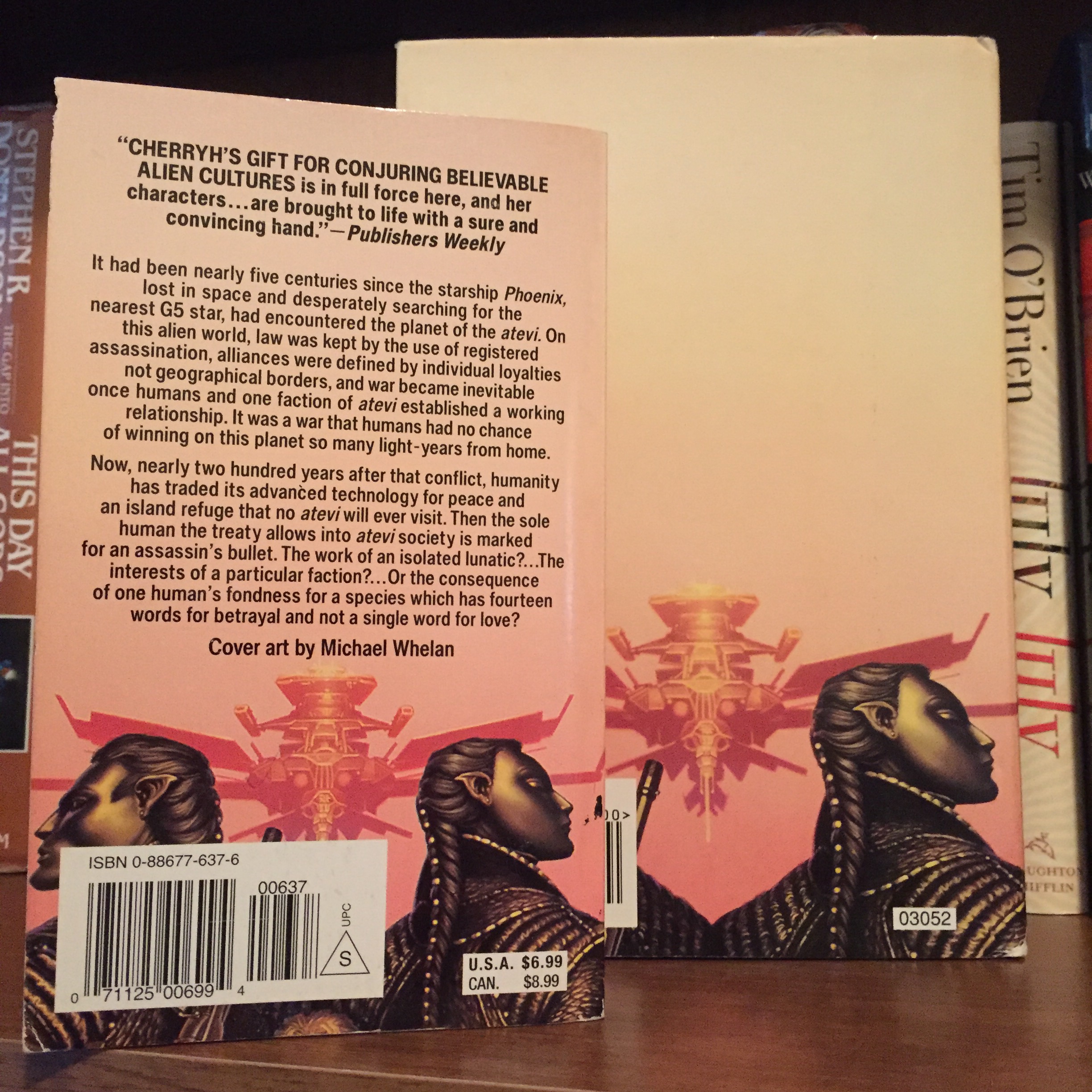
Having obtained a hardback copy of Foreigner, the first book published in her Foreigner Universe, I decided to make April the month I finally achieve First Contact with C J Cherryh’s work. What better place to start than with a novel of First Contact? A lost generational starship at the end of its five hundred year journey coming in contact with an alien species sounds like a wonderful way to meet an author’s work.  


 I am inviting any and all who want to join me in starting C J Cherryh’s work to join in! Several friends have decided to give Foreigner a read this month with me and I’d love to have more join in. I don’t have a set reading schedule of so many chapters a week or a scheduled date to be done with the book. I know time zones, schedules, and TBR Piles don’t always allow for identical reading goals so this one is a very loose one. I’m starting Foreigner today and hope y’all join me in reading it this month! 

  
Feel free to follow my progress on GoodReads as I will mark my progress there. Or you can follow on Instagram/Twitter as I will be using the hashtags: #FirstCherryh #FirstAuthorContact and #CJCReading on those sites. I’ll post a review of my final thoughts here on my website. Looking forward to hearing your thoughts on Foreigner by C J Cherryh! 

Military SciFi: What Makes It Good

What qualifies a book as Military SciFi? Or better yet: What makes a story a GOOD Military SciFi story? 
Wikipedia describes it like this: “Military science fiction is a subgenre of SciFi that features the use of SciFi technology, mainly weapons, for military purposes and usually principal characters that are members of a military organization involved in military activity; occurring sometimes in outer space or on a different planet or planets.” 
I am happy with that description. Military SciFi, as basic as this sounds, involves primary characters who are based within the military and are engaged in some form of military conflict. Typically you’ll experience that war from the every day soldier’s point of view, and often that soldier will climb through the ranks so that you can experience the war from multiple levels. This leaves room for a lot of character development to happen, and in good Military SciFi that development happens.  
There it is again: GOOD Military SciFi. What sets the best stories apart from the rest? Well that is a highly subjective question, and fortunately I enjoy subjective questions! 

  
Good Military SciFi features technology, but focuses on humanity. It is a human story designed to look into the heart of humanity and warfare. Yes we want to read about the cool space guns and space ships but the story can’t be a tech manual. That’s boring and ultimately becomes outdated quickly. Good Military SciFi looks deep into us, into what makes us human, what drives us, what breaks us, and ultimately how we find the will to persevere. The cool technology sets the stage for the players to act, it isn’t meant to be the play itself.

  
Good Military SciFi should include diversity of some form. The military has often been a leader in areas of integration and diversity. It has had successes and failures but in theory it is a place where you excel based on character, deeds, and abilities. However good Military SciFi can showcase the struggle minorities face to be known for their abilities, or show a non minority character facing, acknowledging, and advancing beyond their inner prejudices. It isn’t a prerequisite of Military SciFi but the best ones do address the issue of diversity.  And we need more diversity in books.

  
Good Military SciFi deals with the moral dilemma of warfare. War is not pretty, and it is not easy, and it comes with a high cost both to the victors and the defeated. Good Military SciFi recognizes this and addresses the cost of war on the people waging it and the nation state behind them. War brings out the best and the worst in us. This fact shouldn’t be ignored. 

  
Good Military SciFi involves ambiguity. The fog of war envelops not just the plot but also the hearts and minds of the characters. Everything shouldn’t be tied up into a neat little package for the reader. The reader should have to invest in the story alongside the characters and reach their own conclusions about the dilemmas facing them. 

  
The best Military SciFi involves sacrifice. These tales should be cautionary tales designed to help us understand the high cost of war and one of those costs is sacrifice. The willingness to put your life on the line in front of others is a part of the military mindset, and often that sacrifice is required for the good of the many. 

  
Military SciFi is also about the camaraderie that military service develops. Oftentimes you’ll hear veterans attest that the primary reason they fought and held a position was for the soldier next to them. They fought, bled, and sacrificed for each other. 

  
In my eyes good Military SciFi includes a look at the technology, the trappings of the military, the training, and the actual warfare, but it goes beyond that to teach us a lesson about ourselves. About humanity. About what our soldiers face, and about our responsibility to our veterans. It lets us look into human nature and either help us understand humanity better or at least learn some of the questions about humanity that we should be asking.  
And it tells a damn good story.  

February Reading Theme: #Finish15

January and Vintage SciFi Month have come to a close and it was an enjoyable journey! I normally don’t select themes for my monthly or yearly reading but while reading through January I decided I would set a theme for February too. 
Welcome to Finish Fifteen! #Finish15 is my attempt to finish the ten books left on my GoodReads Currently Reading List from 2015. I’m excited for it as I was enjoying each of the ten books, I just haven’t finished them yet for various reasons. 

What are the ten books you ask? Well the ten book (in no particular order) are:


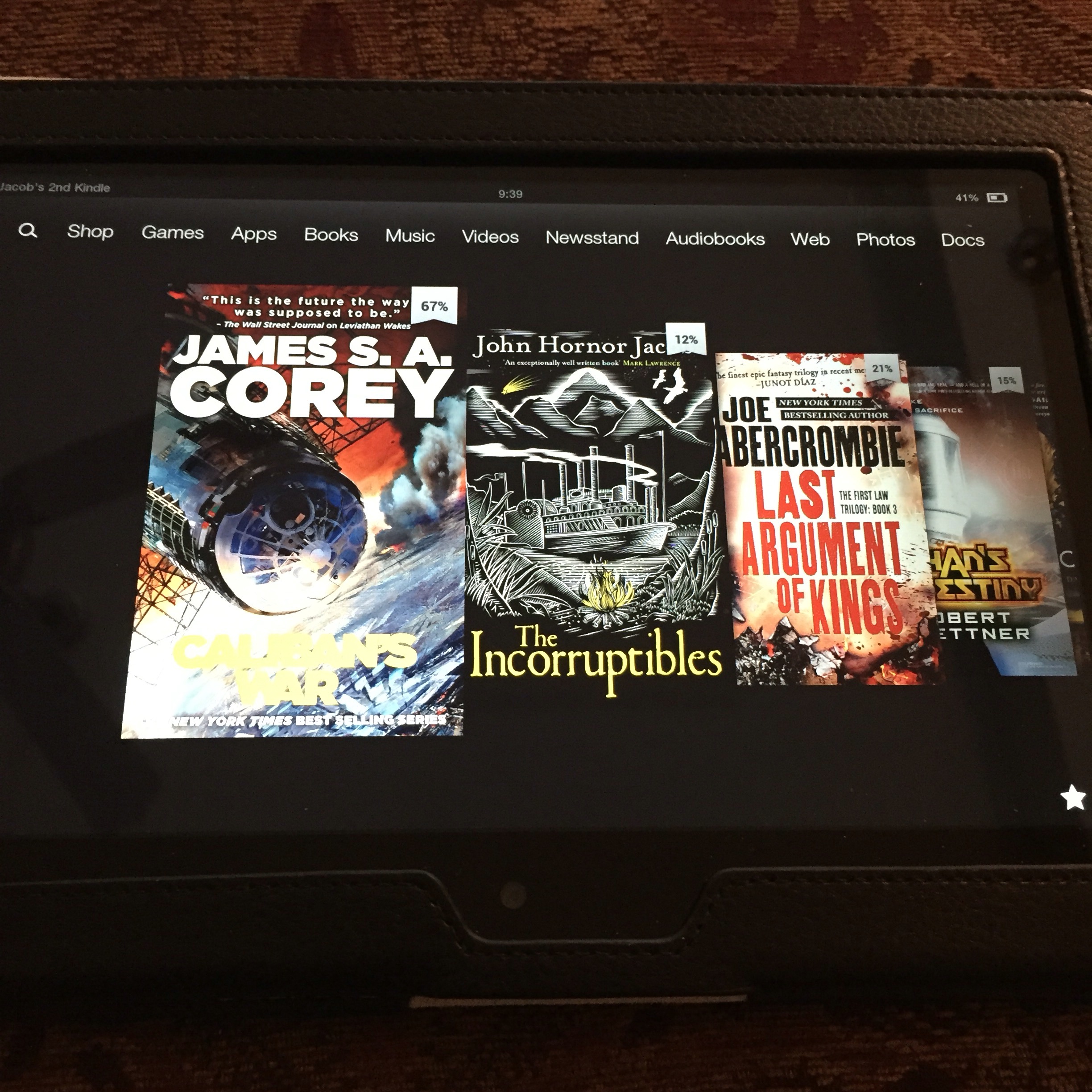
Last Argument Of Kings by Joe Abercrombie 

This is the final book of The First Law Trilogy and I’m eager to see how the story ends. 

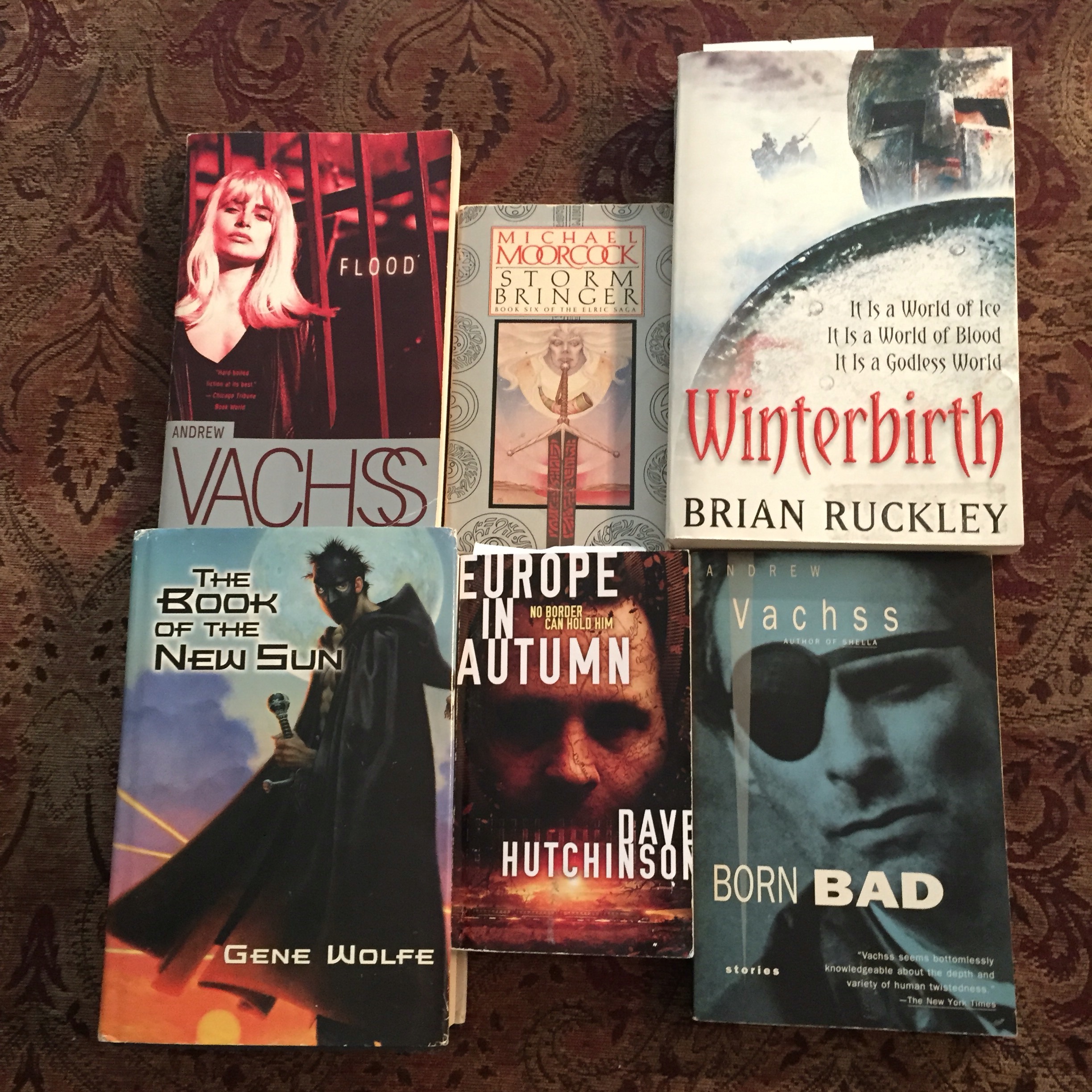
Stormbringer by Michael Moorcock 

Book Six Of The Elric Saga is setting itself up to be the most dangerous of his adventures. 

Orphan’s Destiny by Robert Buettner

The second book of the Orphan Saga follows fast on the heels of the first. It’s difficult seeing one made to soar be brought down hard, but hopefully he’ll be soaring again soon. 

Flood by Andrew Vachss

The first book of his Burke Series. His Burke books are always darker seeming then any of his others. Maybe because after 18 books you feel closer to the title character so it seems more personable. 

Winterbirth by Brian Ruckley

Book one of The Godless World Trilogy. This one seems the larger of the books I’m attempting to complete. However I loved his standalone novel The Free so I have high hopes for this series. 


Caliban’s World by James S A Corey

For me: Attempting to read the second book of The Expanse Series right after completing the first was like changing gears without a clutch while rolling downhill, and then going backwards to go forwards. I have no doubt the series will win me back over and wow me, I just felt they could have advanced the primary story and characters differently while introducing their new characters in a way that might cause me to like them more. More on that after I finish the last 30% of the book. 

Born Bad by Andrew Vachss

A collection of his crime fiction short stories. Sharp precise scalpel cuts into the darkness. 

The Claw Of The Conciliator by Gene Wolfe

The second book of The Book Of The New Sun started abruptly skipping in the story similar to Caliban’s War did. After ending on a cliffhanger in book one I found myself wanting to skip forward in book two to see if you ever learn what happened next. Time to find out. 

The Incorruptibles by John Hornor Jacobs

Yes! I am so excited to dive back into this alternate history! Rome meets the Old West with Magic?! Excited. 

Europe In Autumn by Dave Hutchinson

This book holds so much promise to be amazing. I can’t wait to dive back into the splintered Europe of the near future. 

Those are the ten books that #Finish15 will consist of and I’m excited to get back into them and see how they turn out. Wish me luck as I try to do this during the month of February! Feel free to follow my progress on GoodReads. Have you read any of these books? Do you have any reading goals for February? 


A Review From The Father

A special guest post from my Father in honor of #VintageSciFiMonth he chose to read and review Tolkien’s Roverandom which was published in 1998 but written in 1925 so we feel it qualifies. 🙂 My parents were my primary inspiration to read so it is with great joy that I share this review from my Dad with y’all:

RoverandomJ.R.R. Tolkien

Houghton Mifflin, NY, NY, 1998

 Roverandom is a novella penned by J.R.R. Tolkien during the summer of 1925. It was published posthumously in 1998. This fantasy sprang to life in an effort to bring comfort to his son, Michael, upon the loss of his favorite toy, a miniature black and white dog made of lead, while on holiday in Filey on the Yorkshire coast. It’s an interesting short read in which one can see inklings of his greatest works to come.

Rover, a very small and very young dog playing in his garden with a yellow ball and an old man comes by and picks up the ball. Now as it is said in the book, “Not every old man with ragged trousers is a bad old man…a few, a very few are wizards prowling around on a holiday looking for something to do.” This wizard came wandering up the garden path a ragged old coat with an old pipe in his mouth and an old green hat on his head…with a blue feather stuck in the back of it.” Rover misinterpreting the wizard’s intentions of picking up his ball ultimately bites and tears the wizards trousers. The old man became very angry and simply said, “Idiot, go be a toy!” From this point, Rover begins a journey that will lead him from his beloved garden to an adventure that takes his to the moon and back to under the sea and back home again.

Rover meets up with a ‘sand-wizard’ who takes pity on him and sends him on a journey to the moon to meet the Man-in-the-Moon, a wise and powerful wizard. While there he meets the wizard’s moon-dog, also named Rover. Since two Rovers are confusing, the man-in-the-moon renames him Roverandom. After dealing with dragons and black spiders (among other adventures) he heads back to Earth. There he is sent to the bottom of the sea to find Artaxerxes, the wizard who placed the spell on him in an effort to apologize and be released from the spell.

Artaxerxes hasn’t the time for a small little dog and doesn’t care to be bothered. Roverandom meets up with the Mer-King’s mer-dog, named Rover. Both become friends and swim to many more adventures. Artaxerxes, now the Pacific and Atlantic Magician, meets with an ancient Sea-serpent who is waking and causing trouble. Roverandom manages to create an event with the Sea-serpent that has all of the mer-folk so upset with their PAM that he must leave and go back to land. Artaxerexs ultimately accepts Rover’s apology and the spell is reversed. In the end “Roverandom grew to be very wise…and had all sorts of other adventures…”

In this novella, one can see the beauty of Tolkien’s mind at work in weaving a tale of fantasy to comfort his son in the loss of his favorite toy and more importantly, see the beginnings of greater tales of wizards, dragons and heroes waiting to come to life.

Vintage SciFi Month Reviews

January was #VintageSciFiMonth for several book reviewers. It is a wonderful idea created by LittleRedReviewer
https://littleredreviewer.wordpress.com
and summed up it is simply this: In January read SciFi books published before your birth year. It is a lot of fun and I’ve been joining in now for a couple of years. I actively look forward to January reading now and purchase vintage SciFi books throughout the year with this month in mind.   
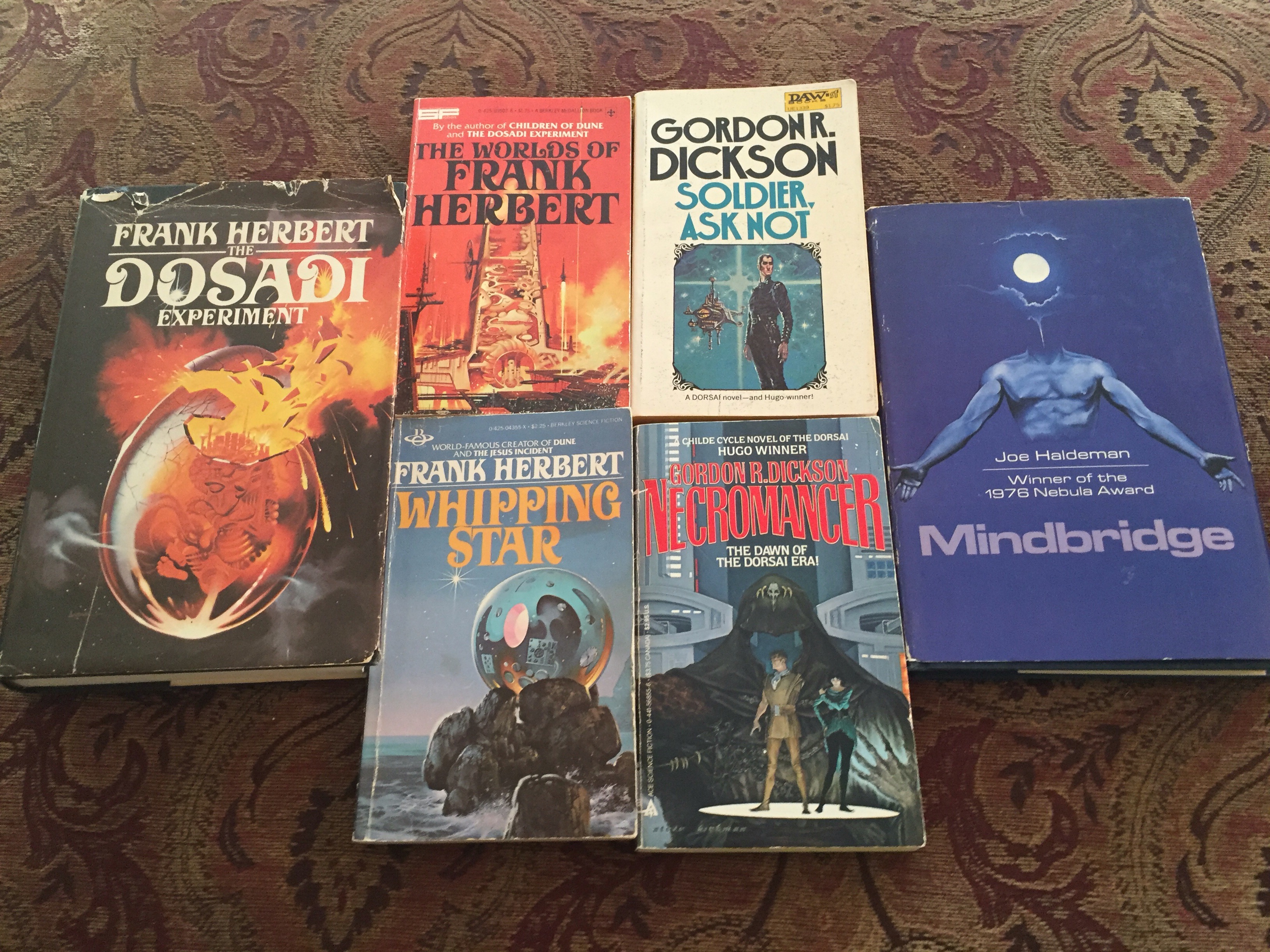
This year I focused upon four authors: Frank Herbert, Gordon R Dickson, Joe Haldeman, and Henry Kuttner. These four authors didn’t disappoint.

  
Henry Kuttner is an inspiration for David Drake. Drake is one of the finest Military SciFi authors, so when he showcases one of his sources of inspiration it is worth taking note! Kuttner’s novella Clash By Night was published in 1943 with all the fears of an atomic war and ignorance of Venus that would have been prevalent at this time. However in this brief story Kuttner brings his characters to life and lets them dance across the pages. It was fun to read and also served as a good reminder to not destroy the earth. 

  
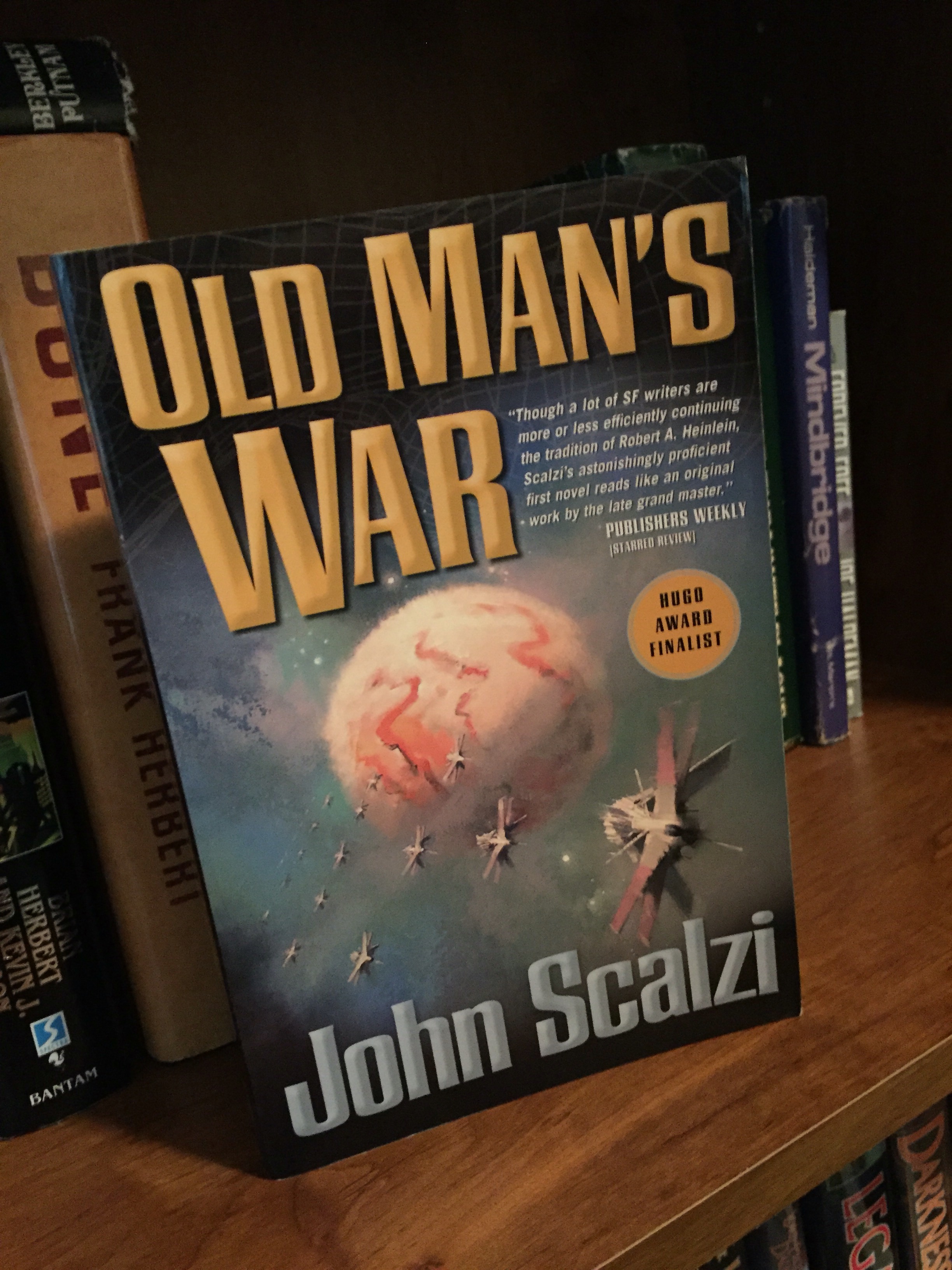
Joe Haldeman is famous for his masterpiece The Forever War, and rightfully so. It is incredible. However his other works are also incredibly well done and worth reading. As is his book Mindbridge which was published in 1976. I couldn’t set the book down. Talk about a pageturner! You are drawn in within the opening sequence and are desperate to know where the story goes. Telepathy, First Contact, Morality, Love, Space Travel: all are topics this master covers and does so in an engaging fashion. Mindbridge is one book you probably haven’t heard of before that you should pick up and read. 

  
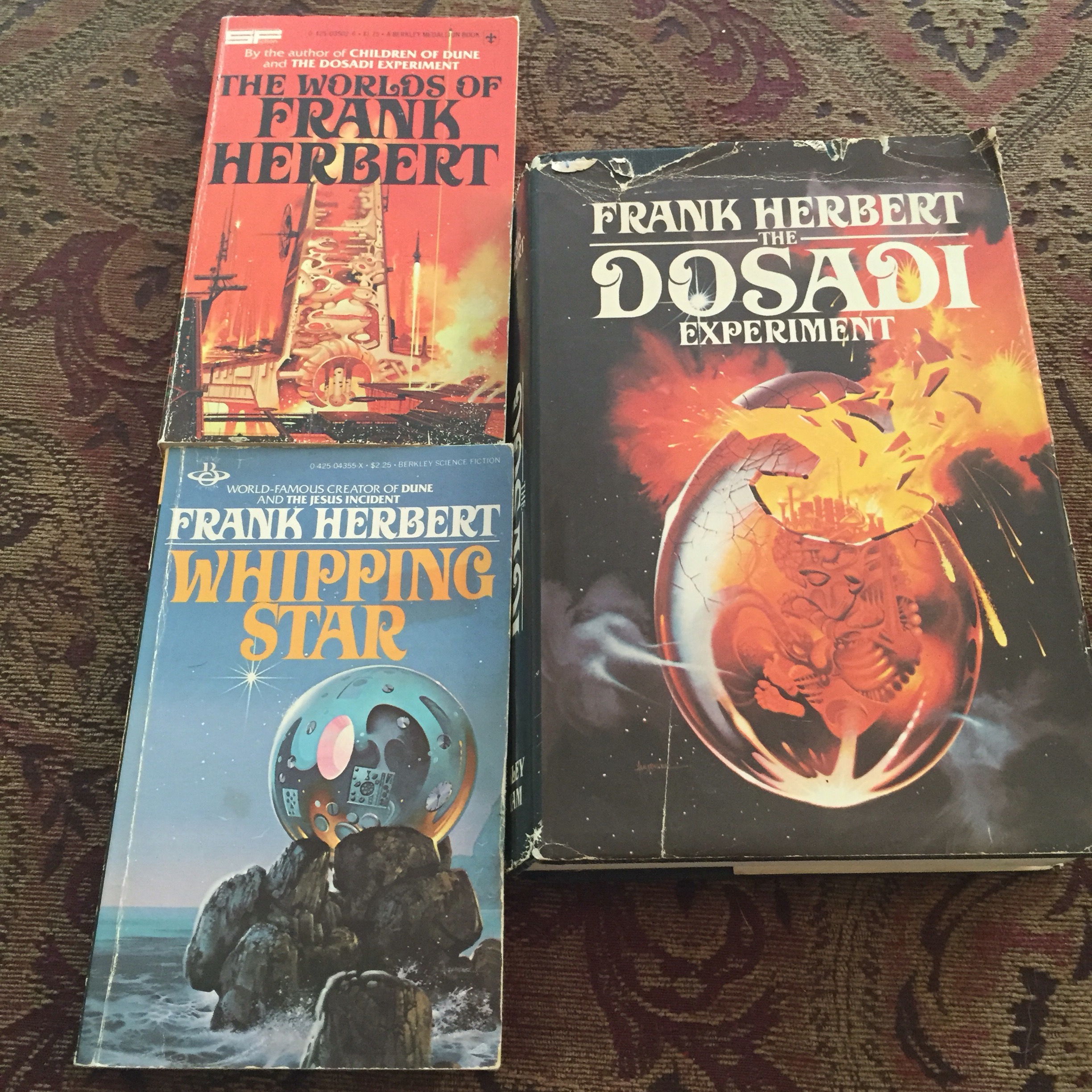
When you think of Frank Herbert you think of Dune. When I think of his Dune Saga I realize again and again that it truly is my favorite work of fiction. Yet for so long it is all I knew of Frank Herbert’s work! I use Vintage SciFi Month as a chance to explore Herbert’s other works and The ConSentiency Universe is where I explored this month. I Started with the short story The Tactful Saboteur published in 1964 in which Herbert created an interesting universe of politics, legalities, and sabotage. He continued the series in 1970 with the novel Whipping Star. As you read the novel the title actually makes a lot of sense! Frank Herbert has a way of filling pages with action but hiding the action within the dialogue. He continued the series in 1977 with The Dosadi Experiment which is the novel I am reading (and loving) right now. There is one other short story set within this universe that I hope to read soon. This universe is vastly different from Dune but contains the creativity, philosophy, and study on humanity you loved in Dune. 

  
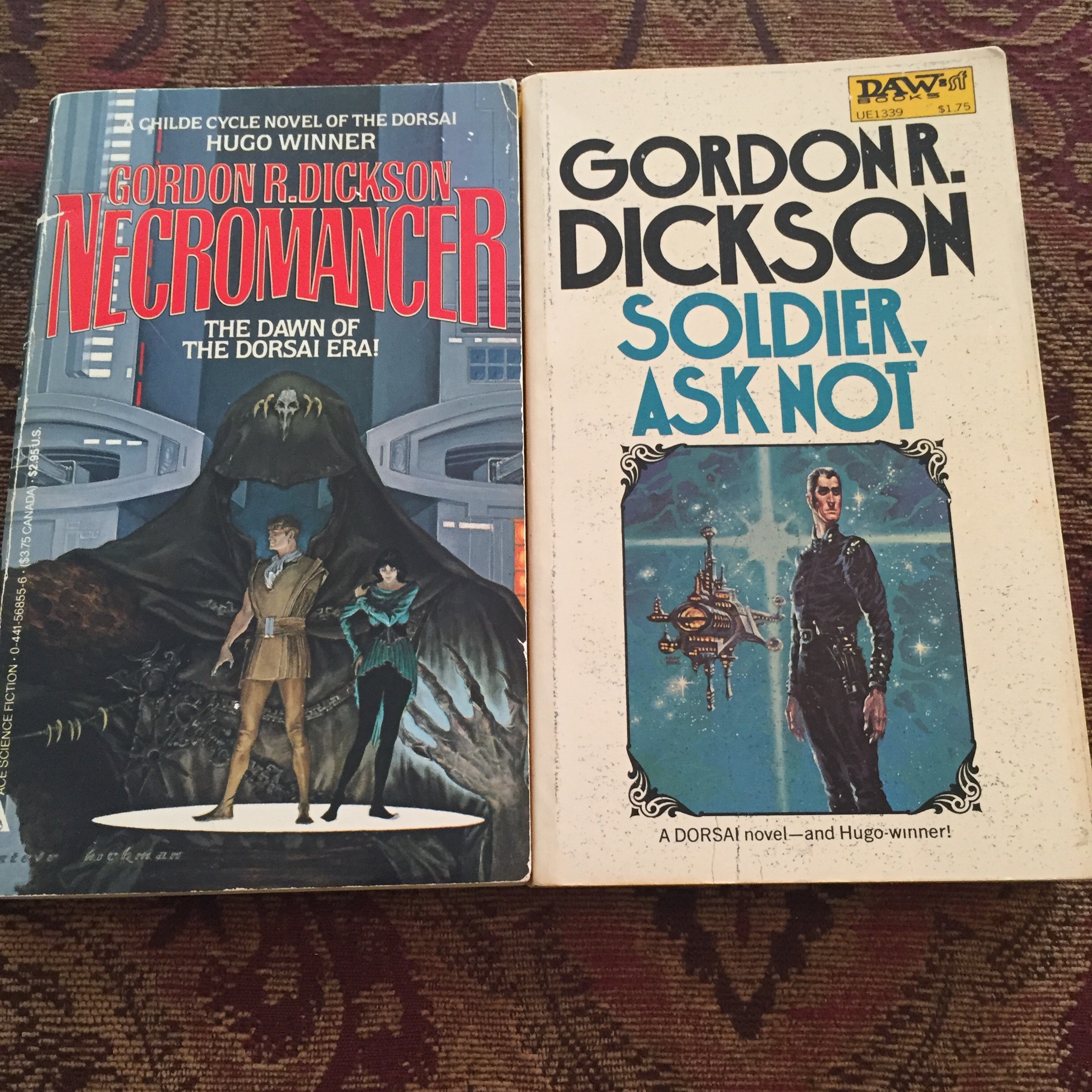
Last year for Vintage SciFi Month I read the first book of Gordon R Dickson’s Childe Cycle: Dorsai! It was incredible. So incredible that I had to continue the series this year and so I read the next two books in the Cycle. Necromancer was published in 1962 but was set prior to the events of Dorsai! In it you see the origins of the Splinter Cultures which are the evolutionary children of humanity spread out amongst the stars. Necromancer sets the stage and the philosophy that caries the series forward. Soldier, Ask Not was published in 1967 and takes place at the same time as Dorsai! and within its pages we see more of Dickson’s grand view of humanity’s connectivity and the shaping of our next evolutionary step. You also learn the value of faith and love in the midst of reason. I can’t wait to read further within this series. 

Altogether this Vintage SciFi Month has been a lot of fun and I’ve greatly enjoyed seeing and hearing about all the books my friends are reading and discovering during this time! Thank you to all who participated and cheers to great SciFi reads! I’m already looking forward to next year’s Vintage books!