Our Weekly Dark Horse Presents Volume 12

Our Weekly Dark Horse Presents Vol 12

  
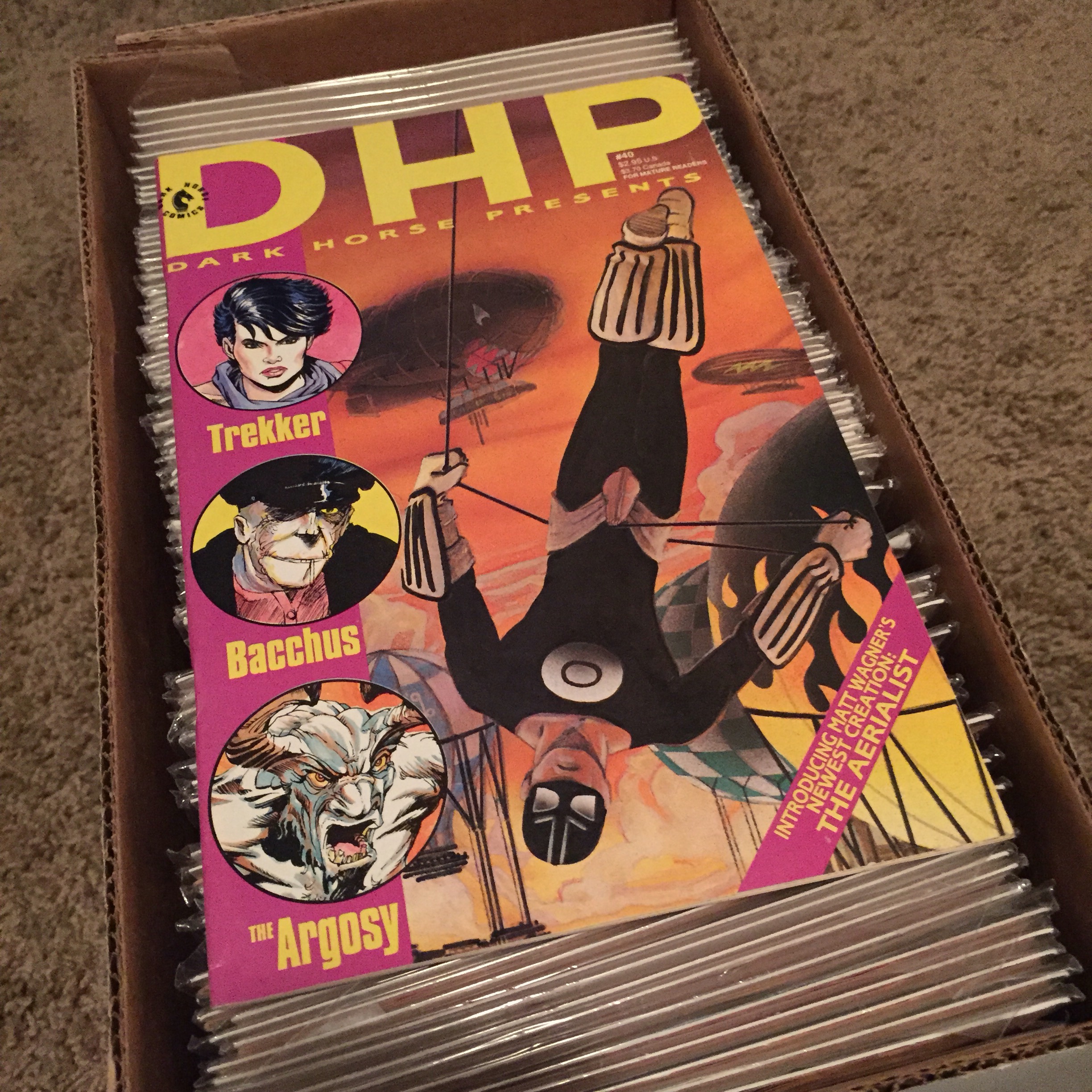
This issue was both enjoyable and underwhelming. That is one of the dangers of anthologies. Three stories: One excellent; one ok; one poor. First let’s look at the poor story. 

Masque by Mark Badger gives us yet another confusing chapter to a confusing and disjointed story. About the only thing I find enjoyable is the grey shading he uses for the artwork. 

Portheus Principle by Mark A Nelson is the ok story. It deals with time travel, dinosaurs, and unintended consequences. A fun filler piece. 

Concrete by Paul Chadwick is always excellent. You always get a chance to look into what makes us human when you read one of Paul Chadwick’s Concrete stories. 

  
I’ll be doing my best to return to reviewing DHP weekly! It is something I truly enjoy and helps me get into the habit of posting more regularly. I neglected it for a while but now it is time to return. The stories in it are about to get really interesting!

First Author Contact: C J Cherryh

I am a fan of Science Fiction. I have been a SciFi fan all my reading life and probably will be one for the rest of my days. When you are heavily invested in a particular genre you notice certain authors often. Their books stand out. Their names grab at you as you pass by. Your friends rave about them and are shocked you haven’t read them yet. Yet is the important word. This month I am addressing one of those yet situations.   
C J Cherryh is an author that I have heard about for decades. I’ve seen her books and wanted to read them for years but for various reasons never got around to it. She is a celebrated and respected author who has contributed greatly to the SciFi genre and is still contributing! Her work has entertained and challenged countless readers since she was first published in 1976. 

  
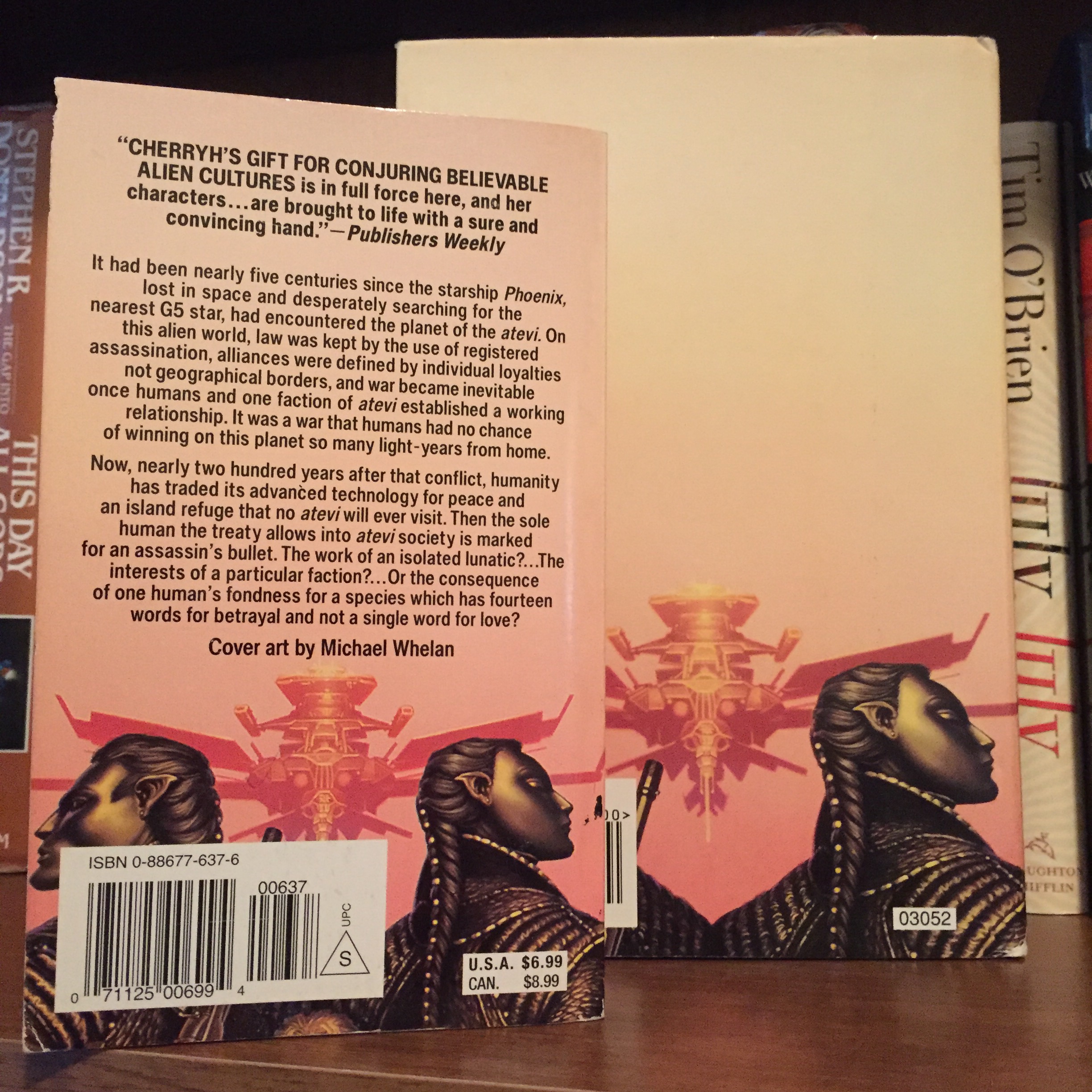
Having obtained a hardback copy of Foreigner, the first book published in her Foreigner Universe, I decided to make April the month I finally achieve First Contact with C J Cherryh’s work. What better place to start than with a novel of First Contact? A lost generational starship at the end of its five hundred year journey coming in contact with an alien species sounds like a wonderful way to meet an author’s work.  


 I am inviting any and all who want to join me in starting C J Cherryh’s work to join in! Several friends have decided to give Foreigner a read this month with me and I’d love to have more join in. I don’t have a set reading schedule of so many chapters a week or a scheduled date to be done with the book. I know time zones, schedules, and TBR Piles don’t always allow for identical reading goals so this one is a very loose one. I’m starting Foreigner today and hope y’all join me in reading it this month! 

  
Feel free to follow my progress on GoodReads as I will mark my progress there. Or you can follow on Instagram/Twitter as I will be using the hashtags: #FirstCherryh #FirstAuthorContact and #CJCReading on those sites. I’ll post a review of my final thoughts here on my website. Looking forward to hearing your thoughts on Foreigner by C J Cherryh! 

Military SciFi: What Makes It Good

What qualifies a book as Military SciFi? Or better yet: What makes a story a GOOD Military SciFi story? 
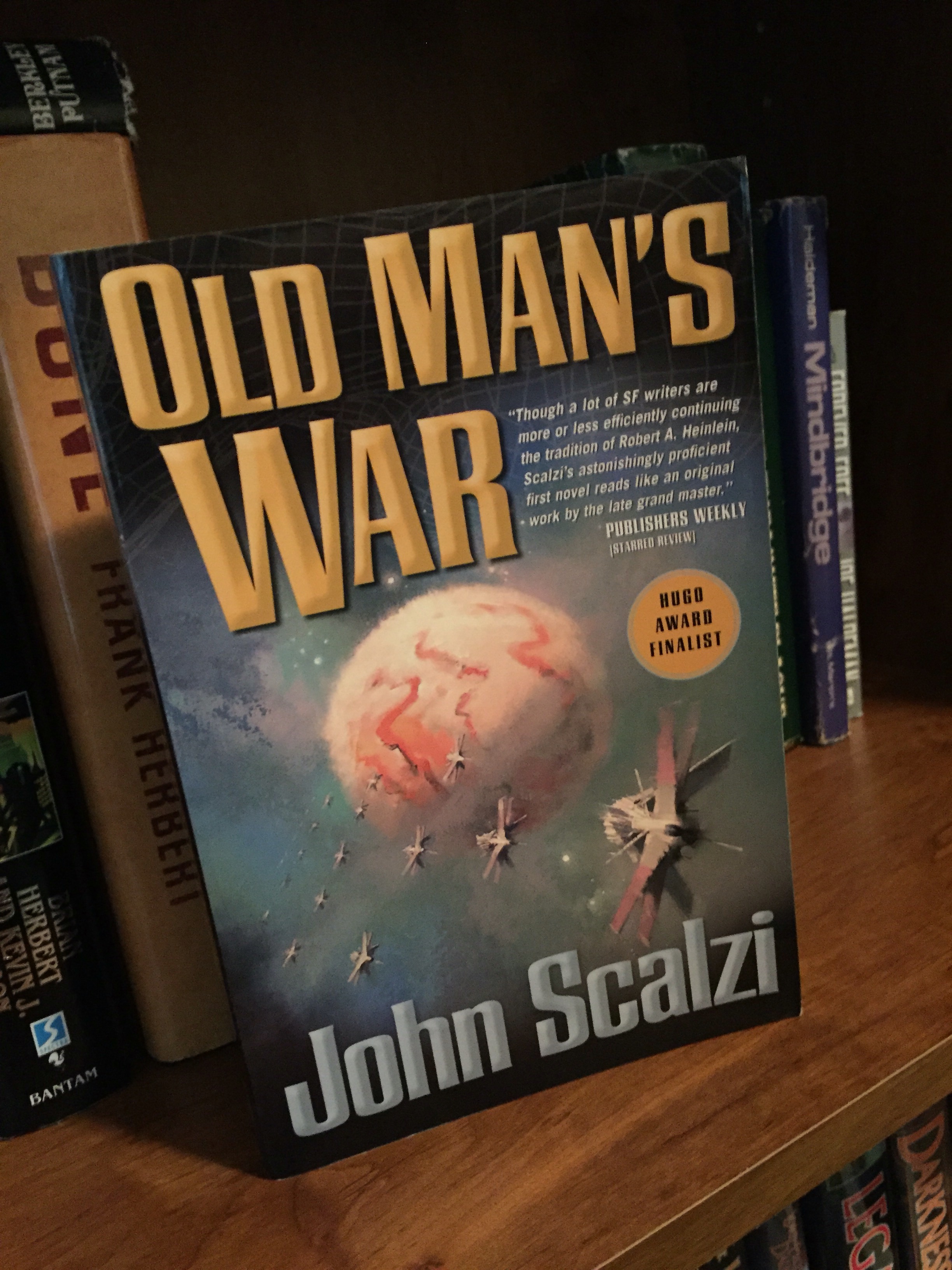
Wikipedia describes it like this: “Military science fiction is a subgenre of SciFi that features the use of SciFi technology, mainly weapons, for military purposes and usually principal characters that are members of a military organization involved in military activity; occurring sometimes in outer space or on a different planet or planets.” 
I am happy with that description. Military SciFi, as basic as this sounds, involves primary characters who are based within the military and are engaged in some form of military conflict. Typically you’ll experience that war from the every day soldier’s point of view, and often that soldier will climb through the ranks so that you can experience the war from multiple levels. This leaves room for a lot of character development to happen, and in good Military SciFi that development happens.  
There it is again: GOOD Military SciFi. What sets the best stories apart from the rest? Well that is a highly subjective question, and fortunately I enjoy subjective questions! 

  
Good Military SciFi features technology, but focuses on humanity. It is a human story designed to look into the heart of humanity and warfare. Yes we want to read about the cool space guns and space ships but the story can’t be a tech manual. That’s boring and ultimately becomes outdated quickly. Good Military SciFi looks deep into us, into what makes us human, what drives us, what breaks us, and ultimately how we find the will to persevere. The cool technology sets the stage for the players to act, it isn’t meant to be the play itself.

  
Good Military SciFi should include diversity of some form. The military has often been a leader in areas of integration and diversity. It has had successes and failures but in theory it is a place where you excel based on character, deeds, and abilities. However good Military SciFi can showcase the struggle minorities face to be known for their abilities, or show a non minority character facing, acknowledging, and advancing beyond their inner prejudices. It isn’t a prerequisite of Military SciFi but the best ones do address the issue of diversity.  And we need more diversity in books.

  
Good Military SciFi deals with the moral dilemma of warfare. War is not pretty, and it is not easy, and it comes with a high cost both to the victors and the defeated. Good Military SciFi recognizes this and addresses the cost of war on the people waging it and the nation state behind them. War brings out the best and the worst in us. This fact shouldn’t be ignored. 

  
Good Military SciFi involves ambiguity. The fog of war envelops not just the plot but also the hearts and minds of the characters. Everything shouldn’t be tied up into a neat little package for the reader. The reader should have to invest in the story alongside the characters and reach their own conclusions about the dilemmas facing them. 

  
The best Military SciFi involves sacrifice. These tales should be cautionary tales designed to help us understand the high cost of war and one of those costs is sacrifice. The willingness to put your life on the line in front of others is a part of the military mindset, and often that sacrifice is required for the good of the many. 

  
Military SciFi is also about the camaraderie that military service develops. Oftentimes you’ll hear veterans attest that the primary reason they fought and held a position was for the soldier next to them. They fought, bled, and sacrificed for each other. 

  
In my eyes good Military SciFi includes a look at the technology, the trappings of the military, the training, and the actual warfare, but it goes beyond that to teach us a lesson about ourselves. About humanity. About what our soldiers face, and about our responsibility to our veterans. It lets us look into human nature and either help us understand humanity better or at least learn some of the questions about humanity that we should be asking.  
And it tells a damn good story.  

February Reading Theme: #Finish15

January and Vintage SciFi Month have come to a close and it was an enjoyable journey! I normally don’t select themes for my monthly or yearly reading but while reading through January I decided I would set a theme for February too. 
Welcome to Finish Fifteen! #Finish15 is my attempt to finish the ten books left on my GoodReads Currently Reading List from 2015. I’m excited for it as I was enjoying each of the ten books, I just haven’t finished them yet for various reasons. 

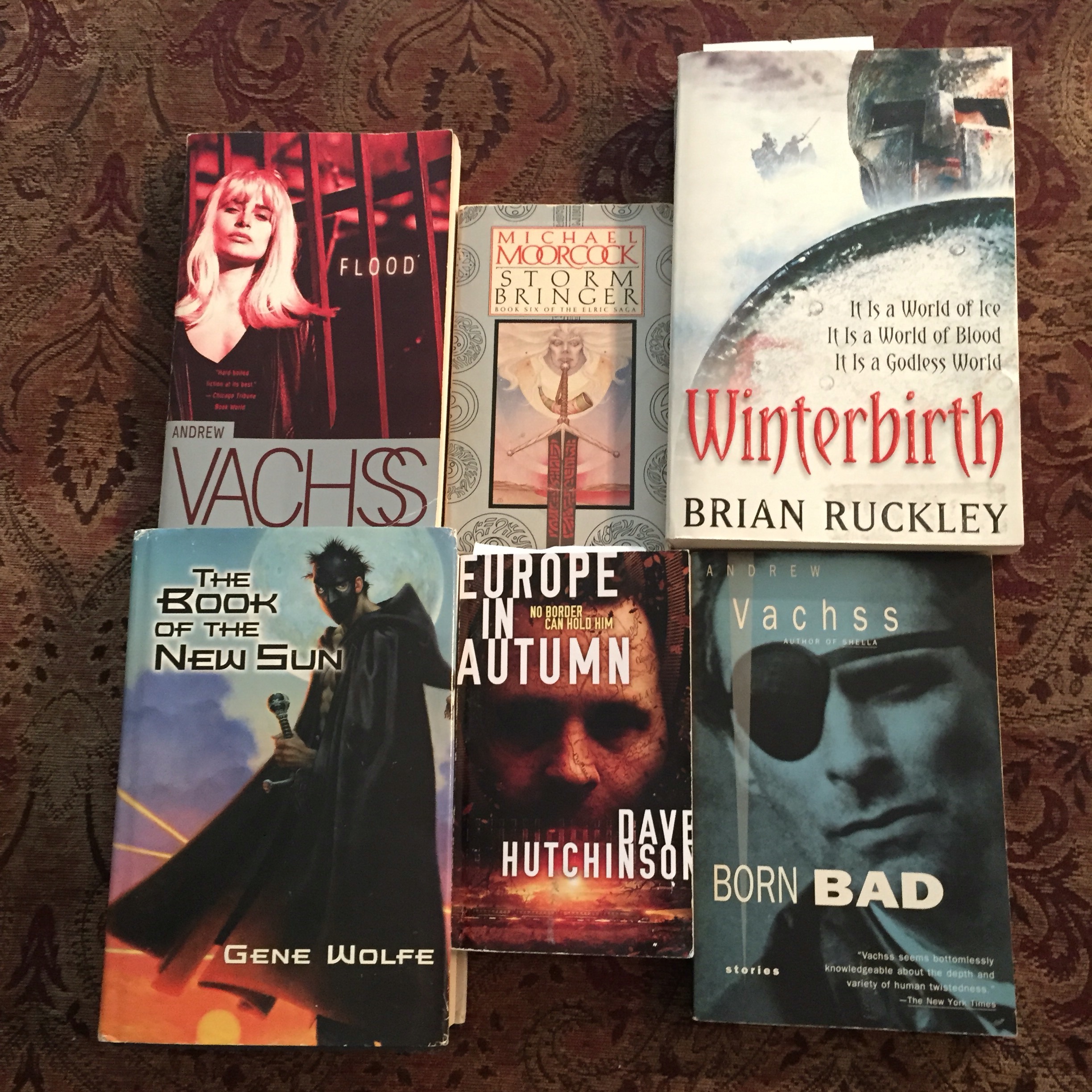
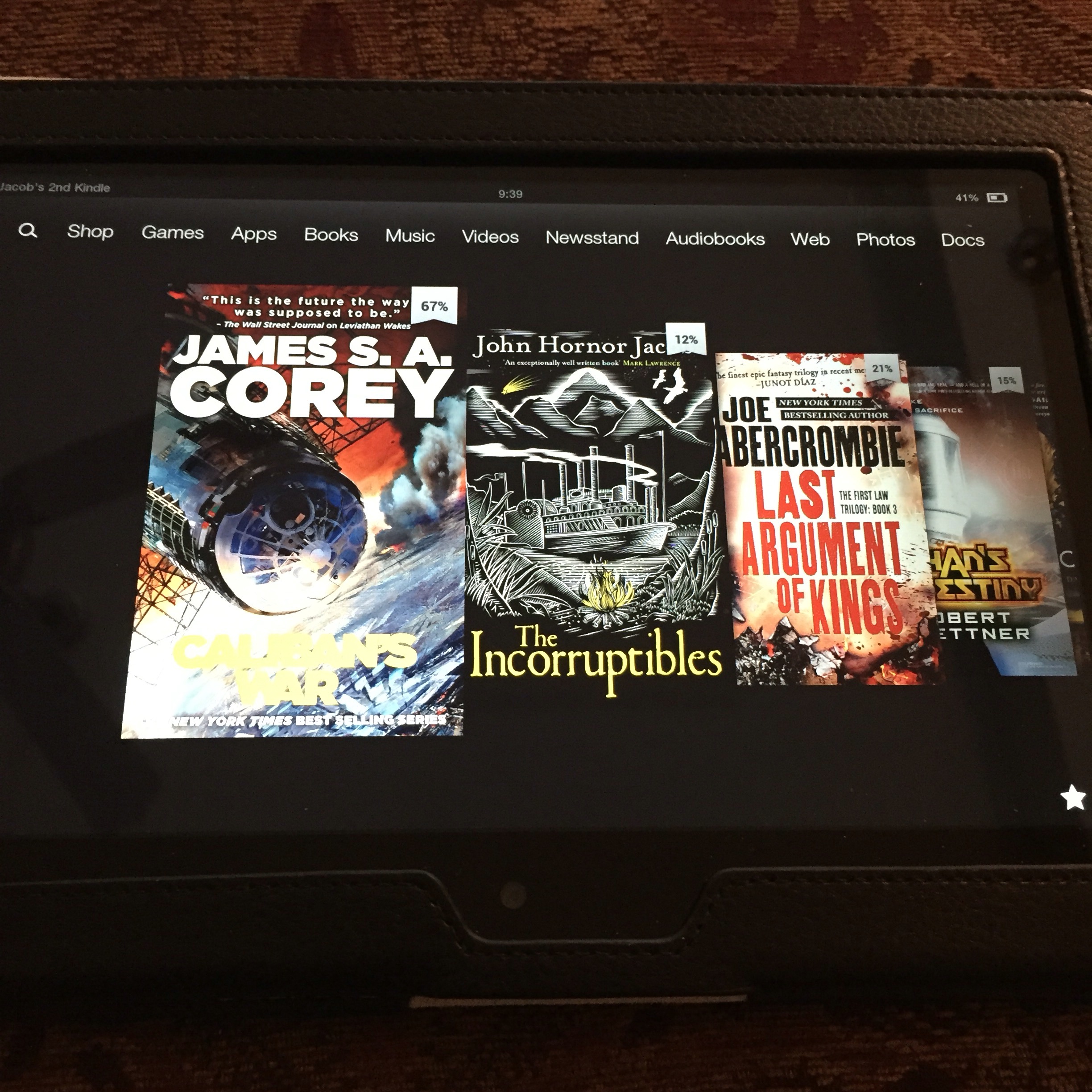
What are the ten books you ask? Well the ten book (in no particular order) are:


Last Argument Of Kings by Joe Abercrombie 

This is the final book of The First Law Trilogy and I’m eager to see how the story ends. 

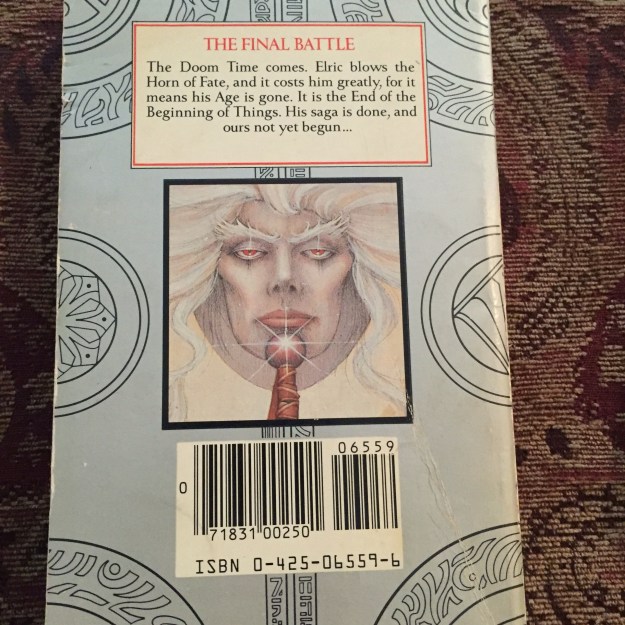
Stormbringer by Michael Moorcock 

Book Six Of The Elric Saga is setting itself up to be the most dangerous of his adventures. 

Orphan’s Destiny by Robert Buettner

The second book of the Orphan Saga follows fast on the heels of the first. It’s difficult seeing one made to soar be brought down hard, but hopefully he’ll be soaring again soon. 

Flood by Andrew Vachss

The first book of his Burke Series. His Burke books are always darker seeming then any of his others. Maybe because after 18 books you feel closer to the title character so it seems more personable. 

Winterbirth by Brian Ruckley

Book one of The Godless World Trilogy. This one seems the larger of the books I’m attempting to complete. However I loved his standalone novel The Free so I have high hopes for this series. 
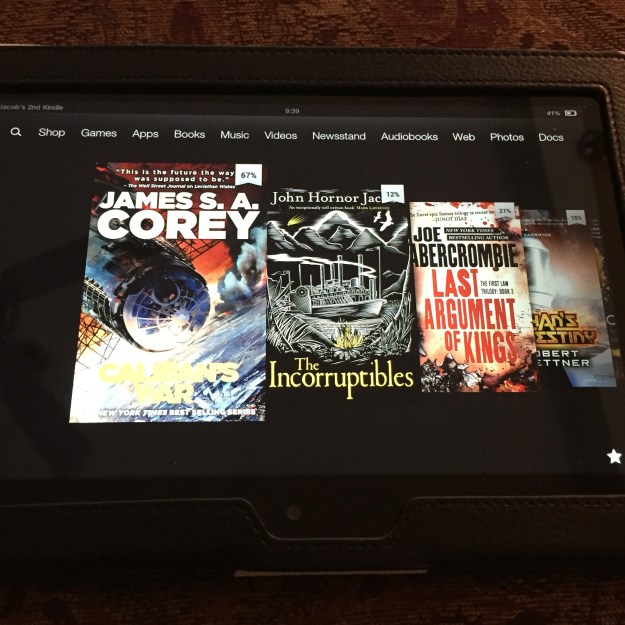
  

Caliban’s World by James S A Corey

For me: Attempting to read the second book of The Expanse Series right after completing the first was like changing gears without a clutch while rolling downhill, and then going backwards to go forwards. I have no doubt the series will win me back over and wow me, I just felt they could have advanced the primary story and characters differently while introducing their new characters in a way that might cause me to like them more. More on that after I finish the last 30% of the book. 

Born Bad by Andrew Vachss

A collection of his crime fiction short stories. Sharp precise scalpel cuts into the darkness. 

The Claw Of The Conciliator by Gene Wolfe

The second book of The Book Of The New Sun started abruptly skipping in the story similar to Caliban’s War did. After ending on a cliffhanger in book one I found myself wanting to skip forward in book two to see if you ever learn what happened next. Time to find out. 

The Incorruptibles by John Hornor Jacobs

Yes! I am so excited to dive back into this alternate history! Rome meets the Old West with Magic?! Excited. 

Europe In Autumn by Dave Hutchinson

This book holds so much promise to be amazing. I can’t wait to dive back into the splintered Europe of the near future. 

Those are the ten books that #Finish15 will consist of and I’m excited to get back into them and see how they turn out. Wish me luck as I try to do this during the month of February! Feel free to follow my progress on GoodReads. Have you read any of these books? Do you have any reading goals for February? 
  

A Review From The Father

A special guest post from my Father in honor of #VintageSciFiMonth he chose to read and review Tolkien’s Roverandom which was published in 1998 but written in 1925 so we feel it qualifies. 🙂 My parents were my primary inspiration to read so it is with great joy that I share this review from my Dad with y’all:

RoverandomJ.R.R. Tolkien

Houghton Mifflin, NY, NY, 1998

 Roverandom is a novella penned by J.R.R. Tolkien during the summer of 1925. It was published posthumously in 1998. This fantasy sprang to life in an effort to bring comfort to his son, Michael, upon the loss of his favorite toy, a miniature black and white dog made of lead, while on holiday in Filey on the Yorkshire coast. It’s an interesting short read in which one can see inklings of his greatest works to come.

Rover, a very small and very young dog playing in his garden with a yellow ball and an old man comes by and picks up the ball. Now as it is said in the book, “Not every old man with ragged trousers is a bad old man…a few, a very few are wizards prowling around on a holiday looking for something to do.” This wizard came wandering up the garden path a ragged old coat with an old pipe in his mouth and an old green hat on his head…with a blue feather stuck in the back of it.” Rover misinterpreting the wizard’s intentions of picking up his ball ultimately bites and tears the wizards trousers. The old man became very angry and simply said, “Idiot, go be a toy!” From this point, Rover begins a journey that will lead him from his beloved garden to an adventure that takes his to the moon and back to under the sea and back home again.

Rover meets up with a ‘sand-wizard’ who takes pity on him and sends him on a journey to the moon to meet the Man-in-the-Moon, a wise and powerful wizard. While there he meets the wizard’s moon-dog, also named Rover. Since two Rovers are confusing, the man-in-the-moon renames him Roverandom. After dealing with dragons and black spiders (among other adventures) he heads back to Earth. There he is sent to the bottom of the sea to find Artaxerxes, the wizard who placed the spell on him in an effort to apologize and be released from the spell.

Artaxerxes hasn’t the time for a small little dog and doesn’t care to be bothered. Roverandom meets up with the Mer-King’s mer-dog, named Rover. Both become friends and swim to many more adventures. Artaxerxes, now the Pacific and Atlantic Magician, meets with an ancient Sea-serpent who is waking and causing trouble. Roverandom manages to create an event with the Sea-serpent that has all of the mer-folk so upset with their PAM that he must leave and go back to land. Artaxerexs ultimately accepts Rover’s apology and the spell is reversed. In the end “Roverandom grew to be very wise…and had all sorts of other adventures…”

In this novella, one can see the beauty of Tolkien’s mind at work in weaving a tale of fantasy to comfort his son in the loss of his favorite toy and more importantly, see the beginnings of greater tales of wizards, dragons and heroes waiting to come to life.

Vintage SciFi Month Reviews

January was #VintageSciFiMonth for several book reviewers. It is a wonderful idea created by LittleRedReviewer
https://littleredreviewer.wordpress.com
and summed up it is simply this: In January read SciFi books published before your birth year. It is a lot of fun and I’ve been joining in now for a couple of years. I actively look forward to January reading now and purchase vintage SciFi books throughout the year with this month in mind.   
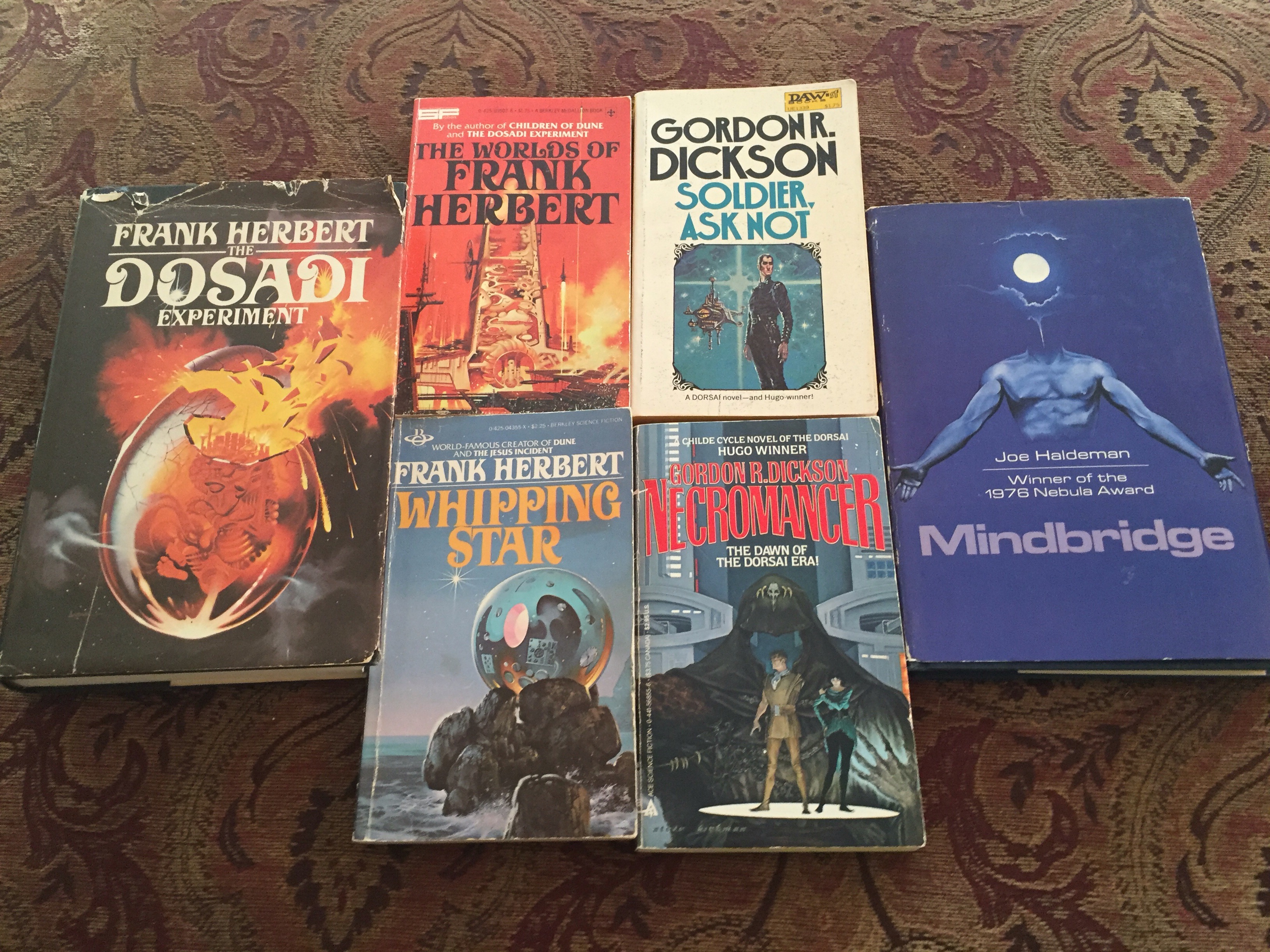
This year I focused upon four authors: Frank Herbert, Gordon R Dickson, Joe Haldeman, and Henry Kuttner. These four authors didn’t disappoint.

  
Henry Kuttner is an inspiration for David Drake. Drake is one of the finest Military SciFi authors, so when he showcases one of his sources of inspiration it is worth taking note! Kuttner’s novella Clash By Night was published in 1943 with all the fears of an atomic war and ignorance of Venus that would have been prevalent at this time. However in this brief story Kuttner brings his characters to life and lets them dance across the pages. It was fun to read and also served as a good reminder to not destroy the earth. 

  
Joe Haldeman is famous for his masterpiece The Forever War, and rightfully so. It is incredible. However his other works are also incredibly well done and worth reading. As is his book Mindbridge which was published in 1976. I couldn’t set the book down. Talk about a pageturner! You are drawn in within the opening sequence and are desperate to know where the story goes. Telepathy, First Contact, Morality, Love, Space Travel: all are topics this master covers and does so in an engaging fashion. Mindbridge is one book you probably haven’t heard of before that you should pick up and read. 

  
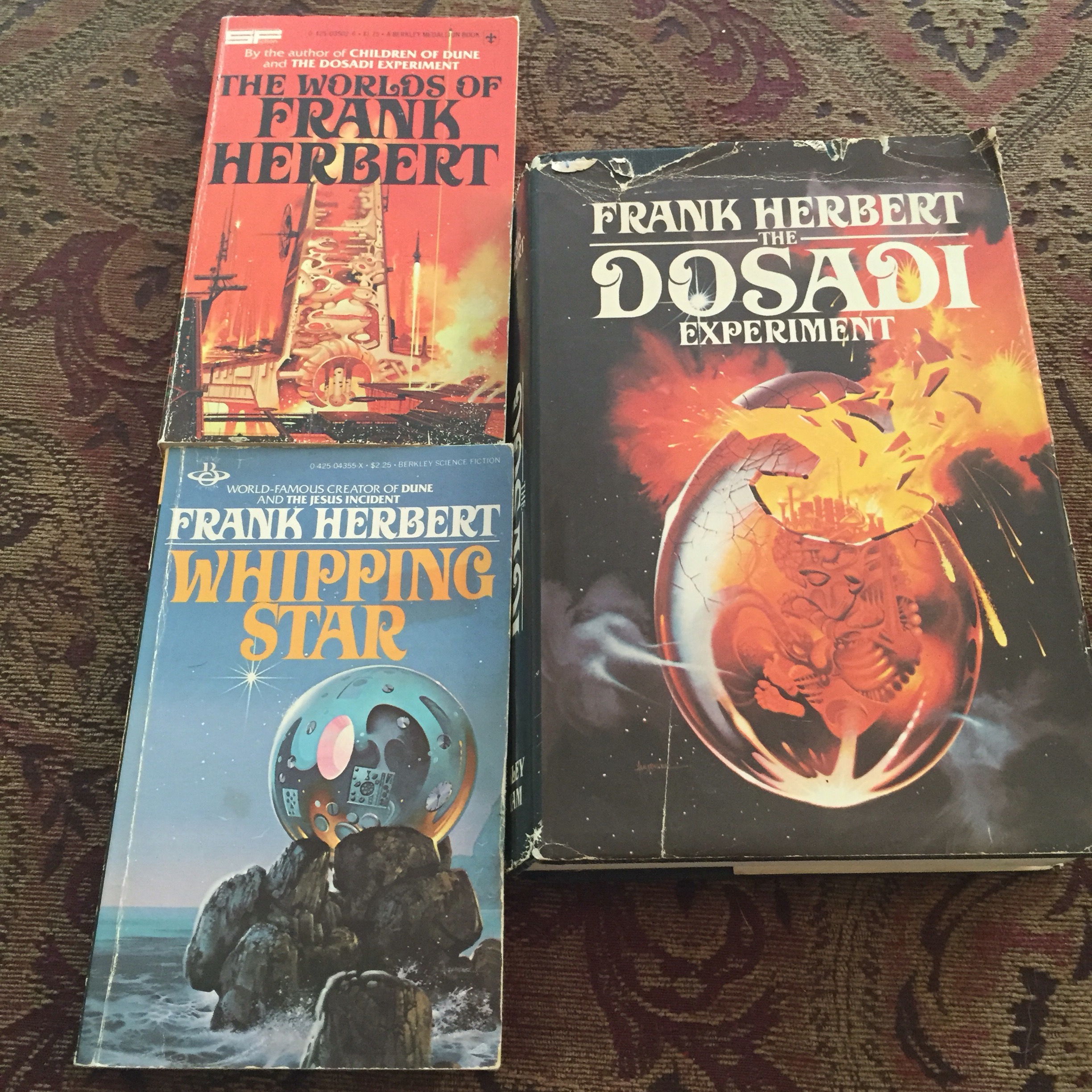
When you think of Frank Herbert you think of Dune. When I think of his Dune Saga I realize again and again that it truly is my favorite work of fiction. Yet for so long it is all I knew of Frank Herbert’s work! I use Vintage SciFi Month as a chance to explore Herbert’s other works and The ConSentiency Universe is where I explored this month. I Started with the short story The Tactful Saboteur published in 1964 in which Herbert created an interesting universe of politics, legalities, and sabotage. He continued the series in 1970 with the novel Whipping Star. As you read the novel the title actually makes a lot of sense! Frank Herbert has a way of filling pages with action but hiding the action within the dialogue. He continued the series in 1977 with The Dosadi Experiment which is the novel I am reading (and loving) right now. There is one other short story set within this universe that I hope to read soon. This universe is vastly different from Dune but contains the creativity, philosophy, and study on humanity you loved in Dune. 

  
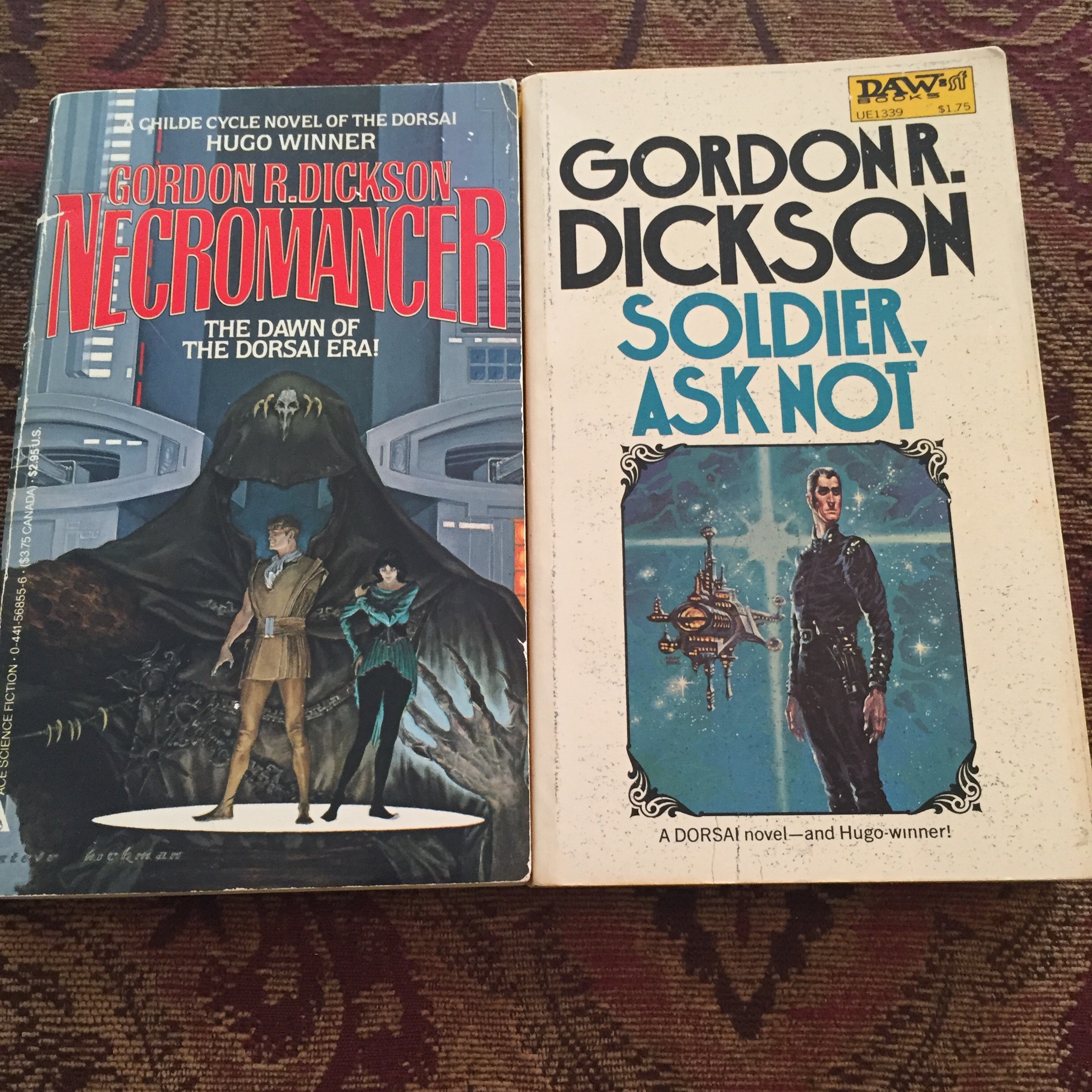
Last year for Vintage SciFi Month I read the first book of Gordon R Dickson’s Childe Cycle: Dorsai! It was incredible. So incredible that I had to continue the series this year and so I read the next two books in the Cycle. Necromancer was published in 1962 but was set prior to the events of Dorsai! In it you see the origins of the Splinter Cultures which are the evolutionary children of humanity spread out amongst the stars. Necromancer sets the stage and the philosophy that caries the series forward. Soldier, Ask Not was published in 1967 and takes place at the same time as Dorsai! and within its pages we see more of Dickson’s grand view of humanity’s connectivity and the shaping of our next evolutionary step. You also learn the value of faith and love in the midst of reason. I can’t wait to read further within this series. 

Altogether this Vintage SciFi Month has been a lot of fun and I’ve greatly enjoyed seeing and hearing about all the books my friends are reading and discovering during this time! Thank you to all who participated and cheers to great SciFi reads! I’m already looking forward to next year’s Vintage books! 

My Top Ten Comic Books Part Five: The Winner Is…

  We’ve covered my nine of my Top Ten Favorite Comic Book Series and twelve runner ups. It is time to reveal my favorite comic book series! It is a critically acclaimed creator owned independent comic book that has been around since 1983 yet it is one a lot of people might not have heard of before. 

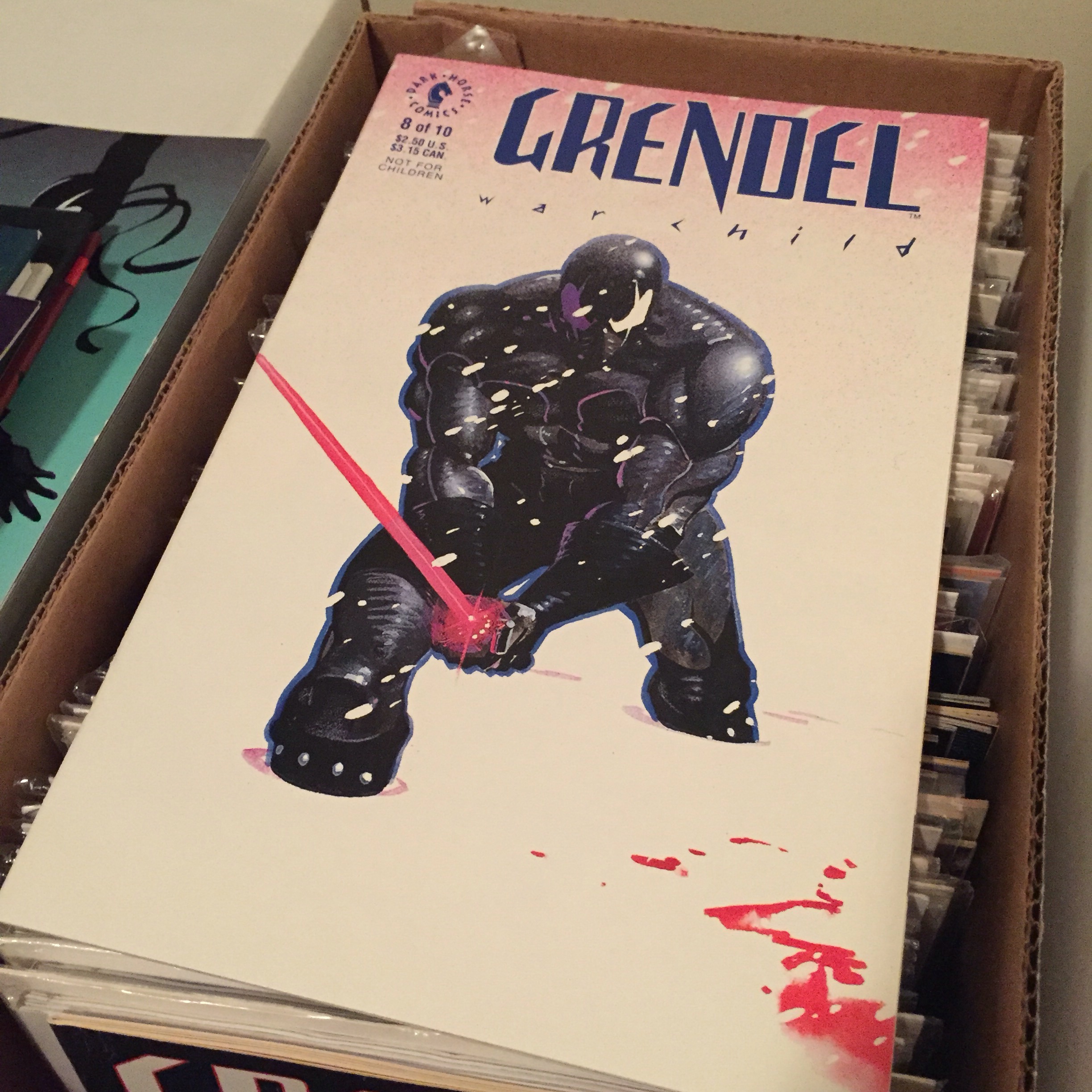
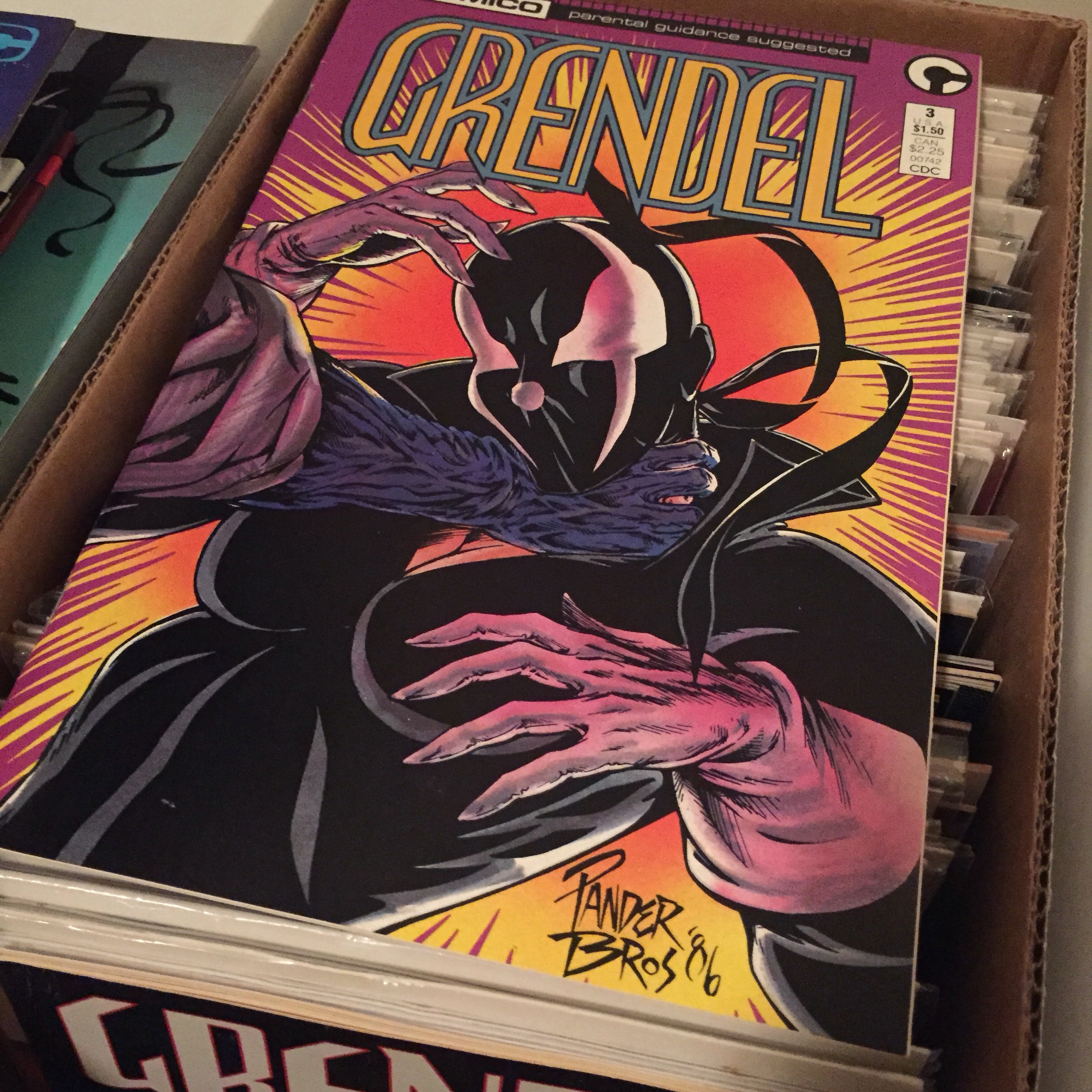
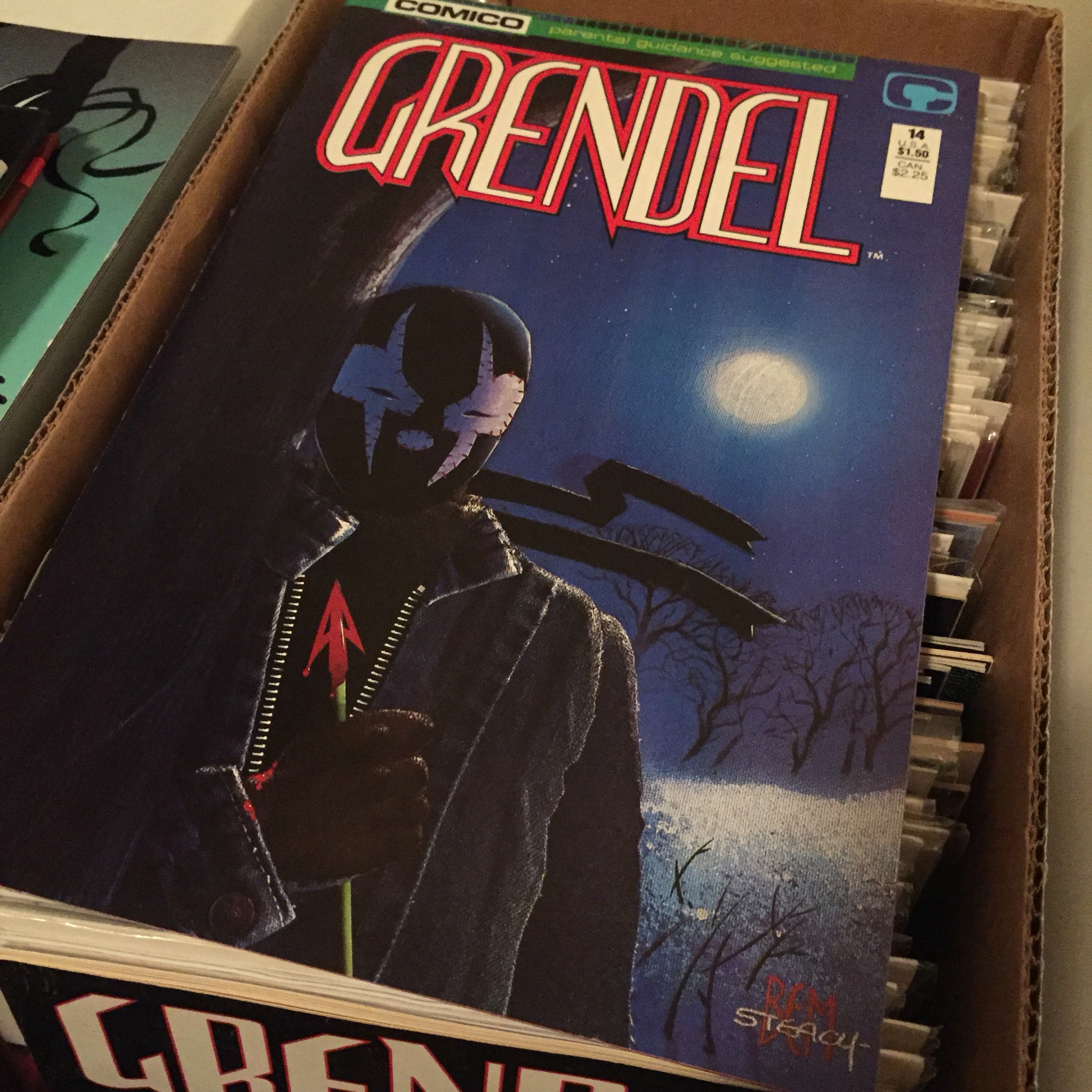
My favorite comic book series is Grendel by Matt Wagner! 

  
Grendel is not your typical comic book. For starters the primary character is a ruthless villain whose death prior to the main series launched a succession of desperate hero/villains who carried on his name and tainted legacy. 

  
Grendel started with Hunter Rose: the stylish assassin who rose to be the kingpin of crime. He was a ruthless genius whose early love and loss catapulted him to the heights of criminal activity and his one weakness, the only additional love that he allowed in his life, caused his downfall. 

 However the death of Hunter Rose did not stop the idea of Grendel. Grendel was carried on through various incarnations through many people until finally Grendel became something greater. And emperor. An empire. A world. 

  
Grendel is very rough around the edges. It is ultimately Matt Wagner’s study on rage and humanity. To me it is the greatest comic book created. It is a timeless story that is epic in nature as it sweeps down through the centuries. It can be brutal and beautiful. I have been amazed by this comic book since I first encountered it. Also he had a brief crossover with Batman! 


I hope you’ve enjoyed my Top Ten Comic Book Series posts. They’ve been a lot of fun to create. I hope I’ve given you a few new series to try out! 

My Top Ten Comic Books Part Four: Ranking 5-2

We have worked through my twelve runners up and then the lower five of my Top Ten Comic Book Series. My favorite comic book series will have its own feature following this one. Now it is time to reveal numbers Five through Two!

Five: The Massive by Brian Wood

  
The Massive by Brian Wood drew me back into comic books when I had stepped away from them. It is a magical tale of humanity on the edge of extinction following an ecological catastrophe. They’ve used different artists but all have captured the same feel the author has created. This is one story I wish you would read. 

Four: Thieves & Kings by Mark Oakley

  
Thieves & Kings is one of the most beautiful comic books I’ve encountered and the story it encompasses is amazing. Truly a work of art and literature. Magical story of a thief and his imp as they fight to save their city. 

Three: Mind MGMT by Matt Kindt

  
Mind MGMT is Matt Kindt’s crowning achievement of a spectacular career! Of course I expect him to keep progressing in achievement and look forward to anything he does but stop me in a bookstore and I’ll go on endlessly about how amazing this story is. Even the billboards in the background art have meaning within this story. This comic book is perhaps the most engrossing comic book I’ve ever encountered. Totally eclipses everything around you as you start to read it. 

Two: Solar Man Of The Atom by Valiant Comics

  
A man gains all the power of energy and destroys the world. That is the start of this incredibly human superhero tale. Solar is the smartest, most powerful superhero I’ve ever read. He’s the superhero I wish I was able to be! Outside of having billions of deaths weighing on my heart. That wouldn’t be cool. But simply stated: The Valiant Universe of the 90’s would not have existed if not for Solar. 

Solar almost won first place! But that belongs to only one comic book series and that one will be featured in my next post! 

My Top Ten Comic Books Part Three: Ranking 6-10

We have been over the twelve runners up to my top ten comic book series of all time, and many wondered what comic books I could consider better than Watchmen or Sin City. Well the time has come to reveal my Top Ten Comic Book Series! We’ll start at Ten and work our way up to Six in this feature, Five to Two in the next, and give One its own feature. 

Introducing Ten through Six of my Top Ten Comic Book Series:

Ten: Invincible by Robert Kirkman, Ryan Ottley, and Cory Walker

  
I can hear objections already. A superhero comic book? And one that’s not even one of the big name superheroes? But this isn’t just another superhero comic book: it redefines superhero comic books! A coming of age tale of the son of Earth’s greatest superhero with battle scenes that most comic book creators can only dream of writing and illustrating. Yet that’s only the surface of this deep story of family, love, betrayal, trust, and alternate dimensions. Invincible hooked me from the first issue and now 120 issues into this series I find myself more amazed at this story than ever before. 
Nine: Saga by Brian K Vaughan and Fiona Staples


 Saga is relatively new on the scene but it shows you what a comic book is capable of. A thrilling SciFi tale that shatters societal norms and captures timeless truths of human nature within its pages. And the Lying Cat alone would have made it worthy of being on this list. 

Eight: Dark Horse Presents (Volume One) by Dark Horse Comics 

  In the comic boom of the 80’s a small publishing company was founded and chose to run a black and white anthology as its primary book. That publishing company went on to challenge the Big Two and to produce some of the edgiest, most inventive creator owned work ever in the industry. DHP is quite simply the best comic book anthology ever created. Watch for our weekly review as we work through the series. 

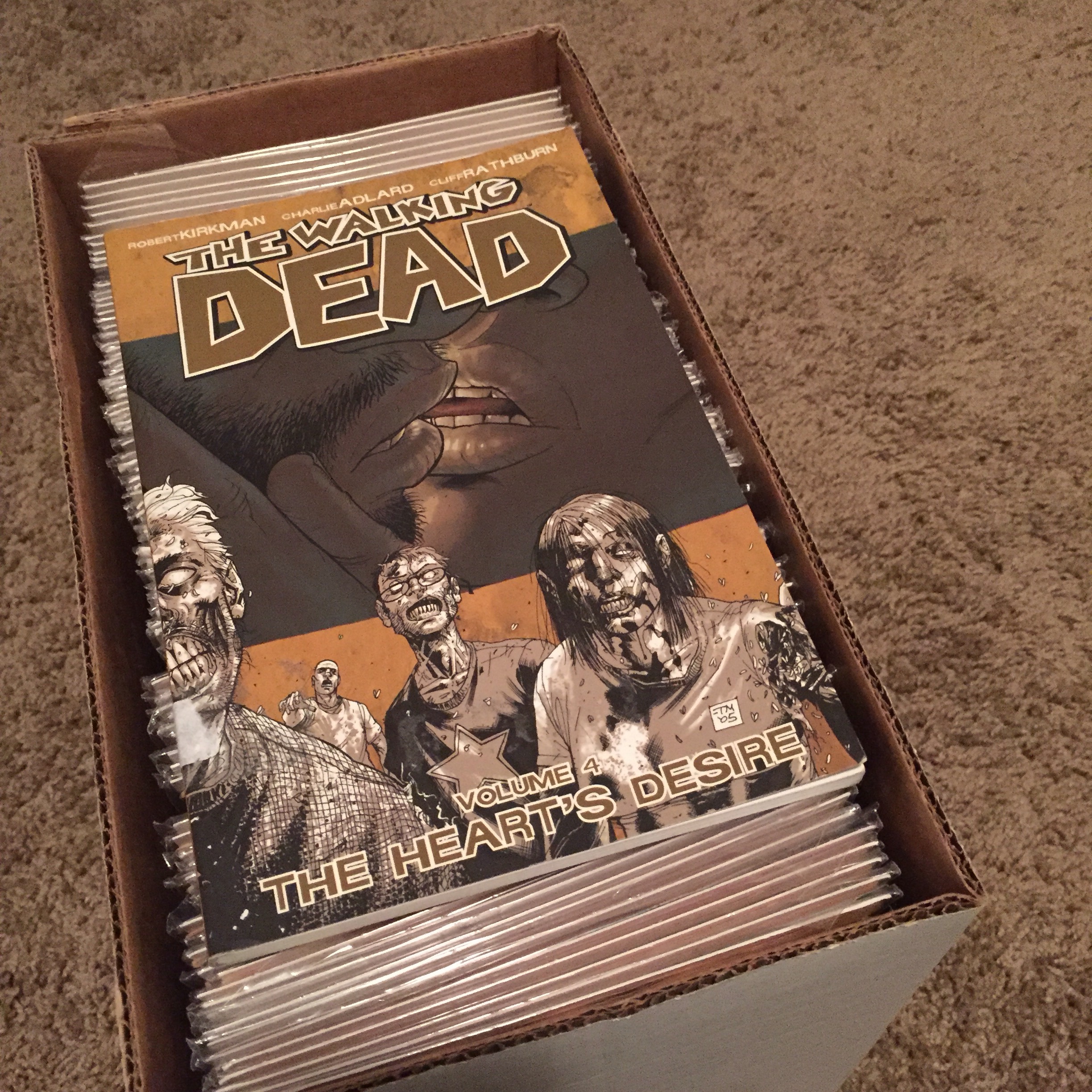
Seven: The Walking Dead by Robert Kirkman and Charlie Adlard

  Better than the TV show will ever be. I love zombie movies and in this very creative story the creators asked themselves What Then? What happens after the movies end? What happens in a post apocalyptic world? A day later, a year later, a generation later…. 

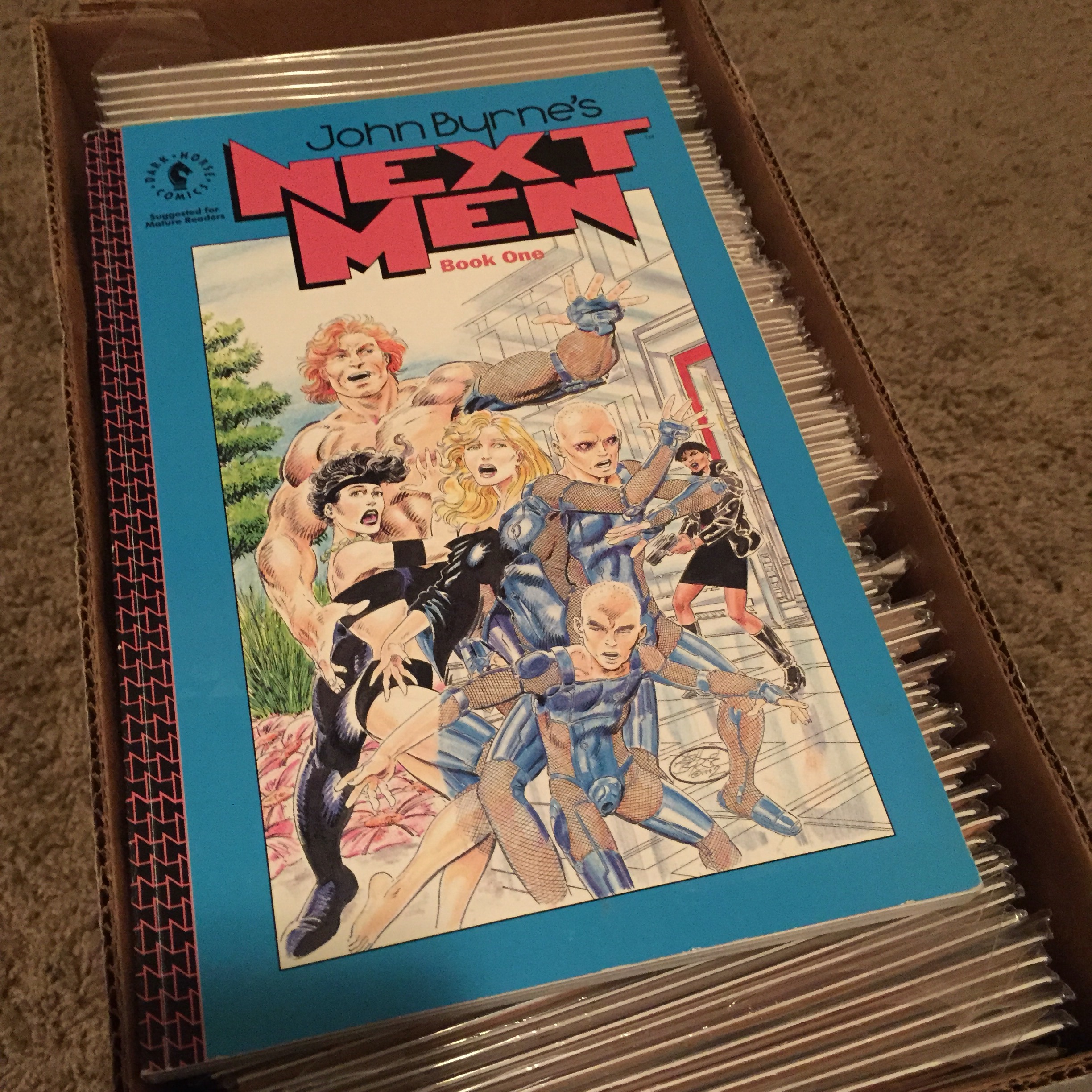
Six: John Byrne’s Next Men by John Byrne

  John Byrne is one of my favorite writer/artists to ever work on a comic book and in JBNM he creates the ultimate ensemble superhero tale that challenges the very concept of superhero teams. JBNM is also a very smart SciFi and political thriller. You’d be hard pressed to find a comic book creator than John Byrne and this is his greatest work.   

Next up we’ll feature 5-2 and then we’ll reveal the best comic book series ever!

My Top Ten Comic Books Part Two: The (First) Runners Up!

In the last post I told you of the Second Runners Up to my Top Ten Comic Book Series: Cerebus, Watchmen, Revival, Locke & Key, Trees, and Sin City. All of which are excellent comic books, and I think highly of. Next up are the First Runners Up:
  
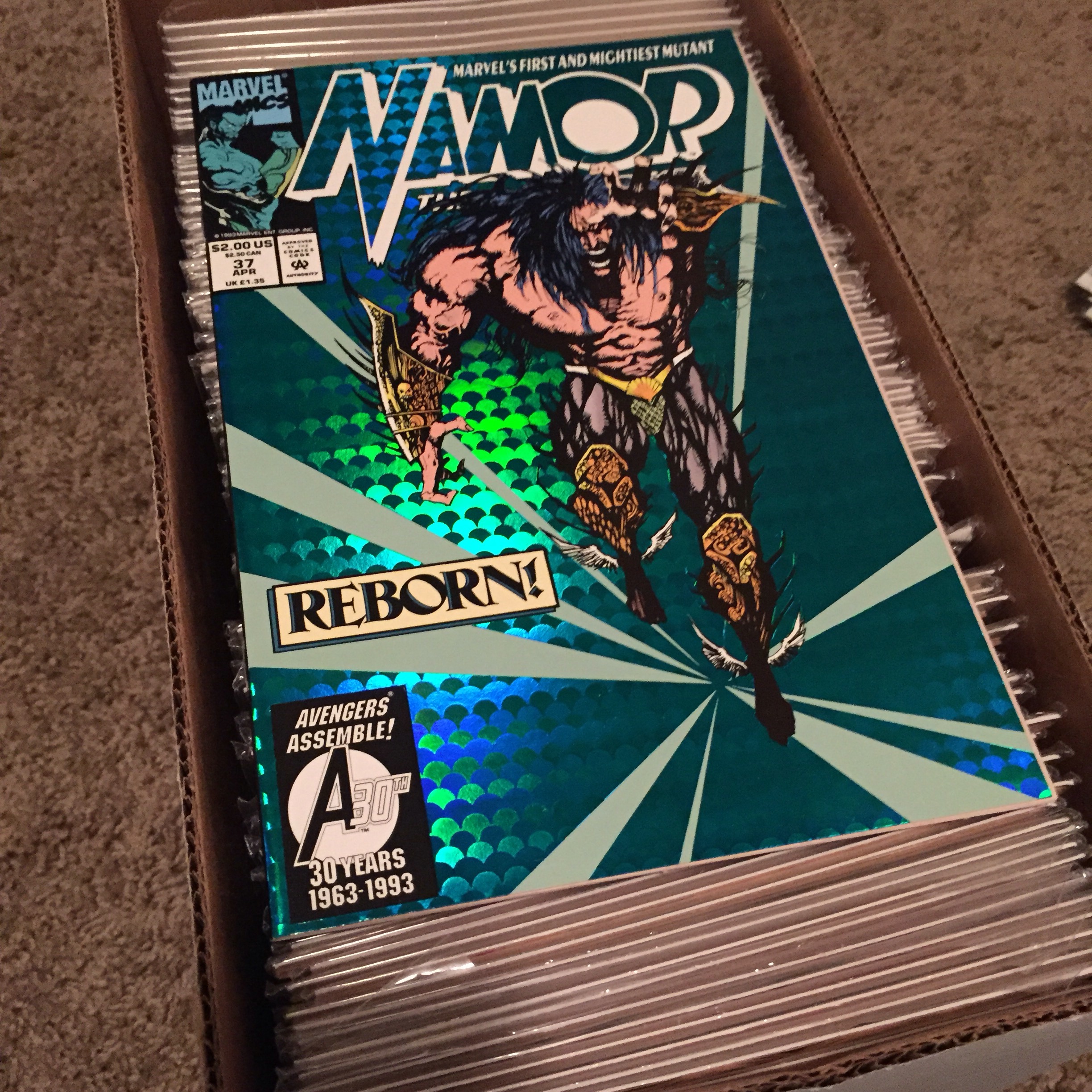
Namor! The John Byrne reboot followed closely the Jae Lee artwork on the story captured and held my attention back in the days when the world was primarily reading only the comic books that started with an X! Byrne is one of my favorite creators/writers/artists and I didn’t expect Jae Lee to surpass him but Jae’s art was perfect for the emotions of Namor. 

  
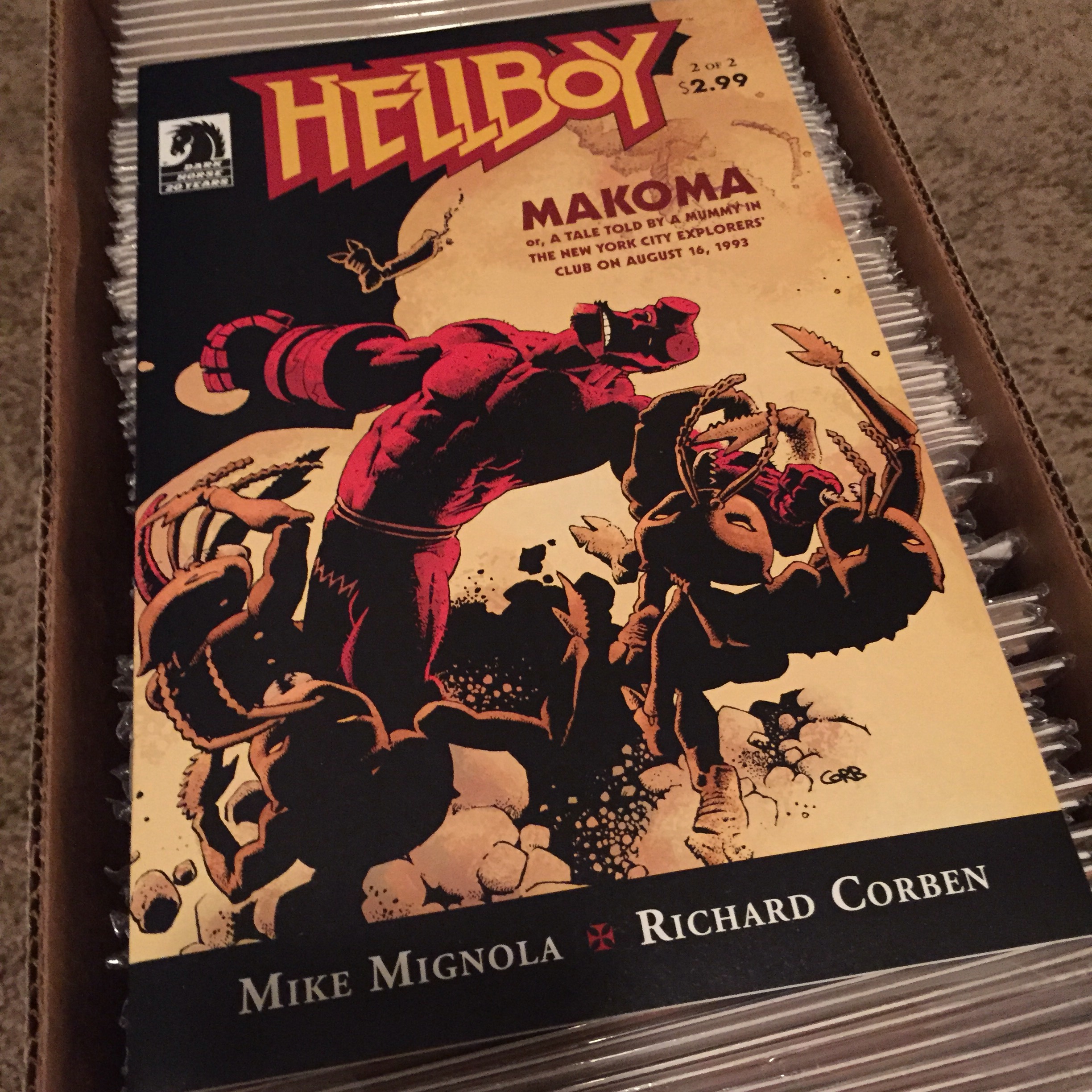
Hellboy by Mike Mignola I still remember the first time I saw Mignola’s artwork. I didn’t appreciate it properly. I was young and thought all artists had to draw the same way. However Mignola taught me otherwise and opened my eyes to how art was integral to the story telling process of comic books. His work on Hellboy is work worthy to be read through the ages. 


Aliens Versus Predator published by Dark Horse Comics combined the monsters of my childhood together into one long before the movies did. Dark Horse kept the stories tense with action and suspense, while also filling them with stimulating debates. 

  
Rai by Matt Kindt and Clayton Crain is a rare case of a total reboot eclipsing the original! Valiant Comics were some of my favorite comic books back in the 90’s. I was excited when their line was restored and have been impressed with the quality of story and art. Matt Kindt and Clayton Crain took a favorite story of mine and made it better than the original. 

  
Hard Corps by Valiant Comics was incredible. In a world filled with superheroes Hard Corps took a team of normal people and equipped them with superpowers, but only one superpower at a time. The interactions and stress the team members experience make for excellent storylines. Oh and all the team members are technically dead. The organization they work for has resuscitated them and enabled them to have these powers and as a result they rule them with an iron fist… at first…. Great series. 

  
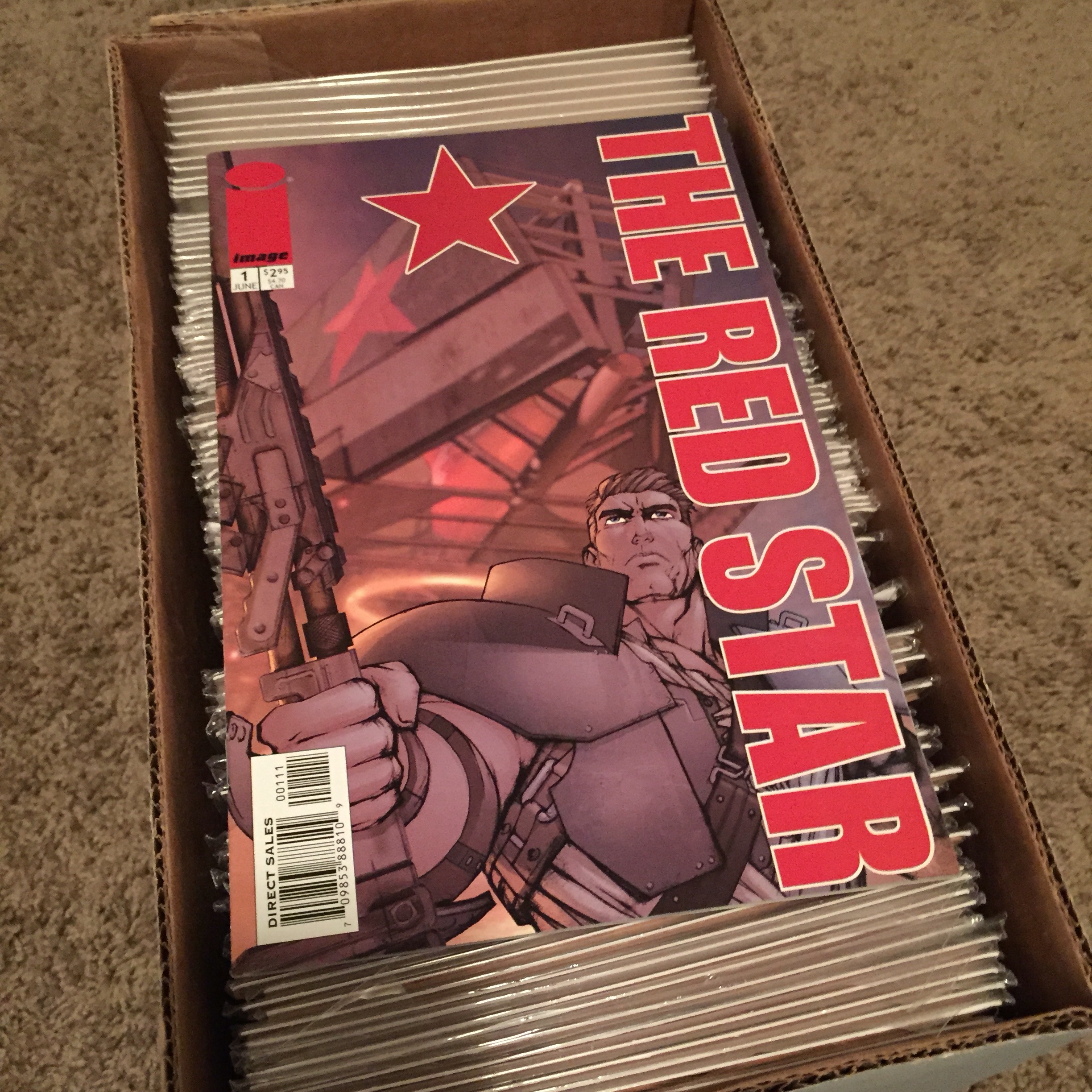
The Red Star by Christian Gossett was one of the best SciFi comic books created. Set in an alternative dimension USSR at first the heroes think they are fighting an earthly war only to discover that they are truly fighting the very gods themselves. 

This concludes the runners up! Next we will feature the top ten comic book series!